

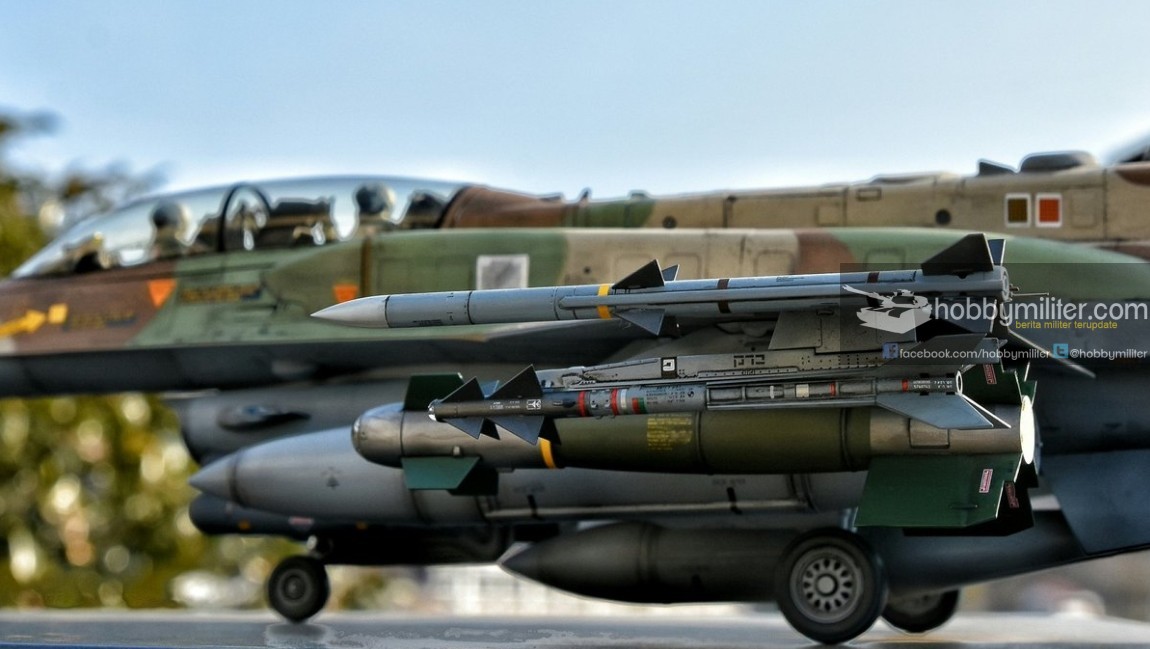
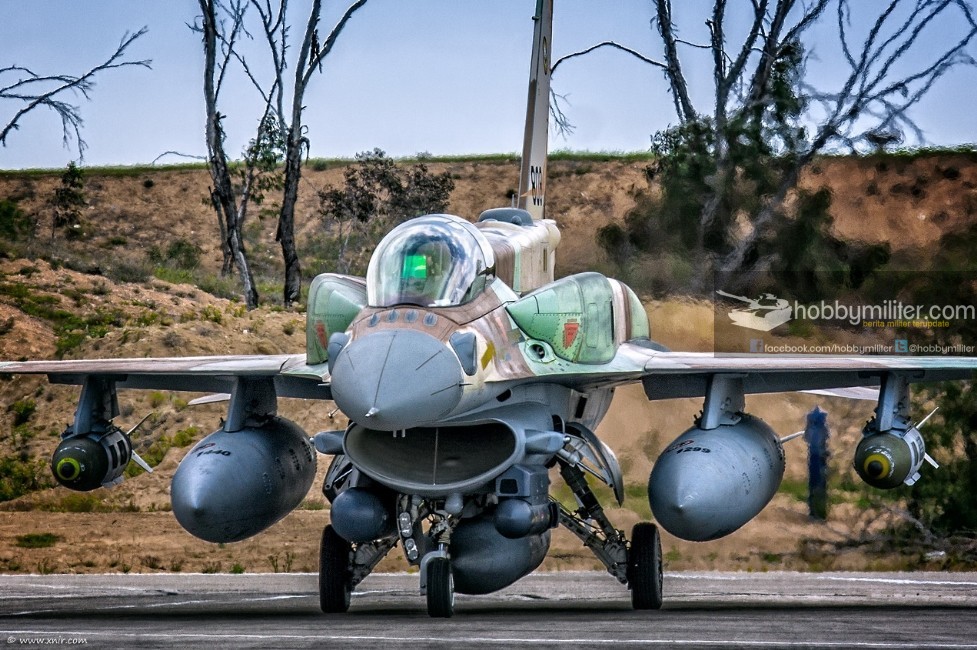
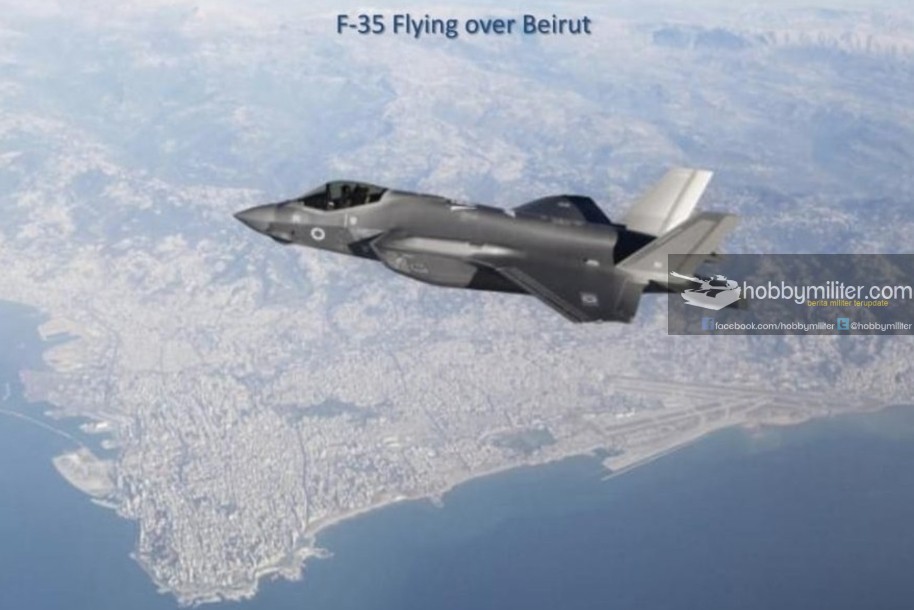
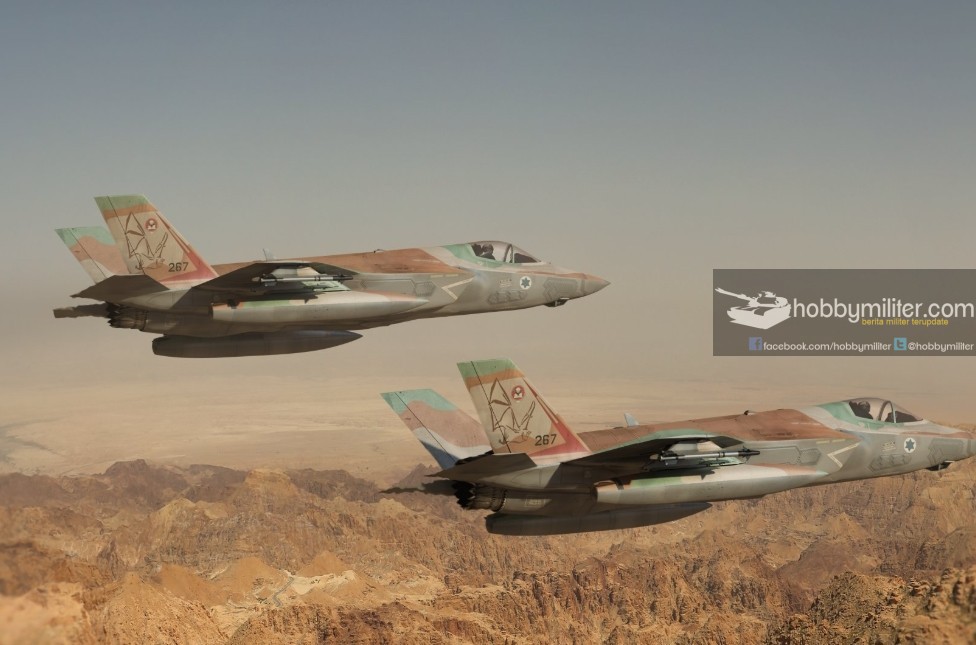
Is the S-300 Missile That Hard to Learn and Operate? – HobbyMiliter.com – On Saturday, 13 April 2019, in the early hours before dawn, precisely at 2.30 local time, more than a dozen missiles and smart bombs tore through the night sky over Hama province, Syria. The missiles and smart bombs were launched by several Israeli Air Force F-16s flying over Lebanese airspace.
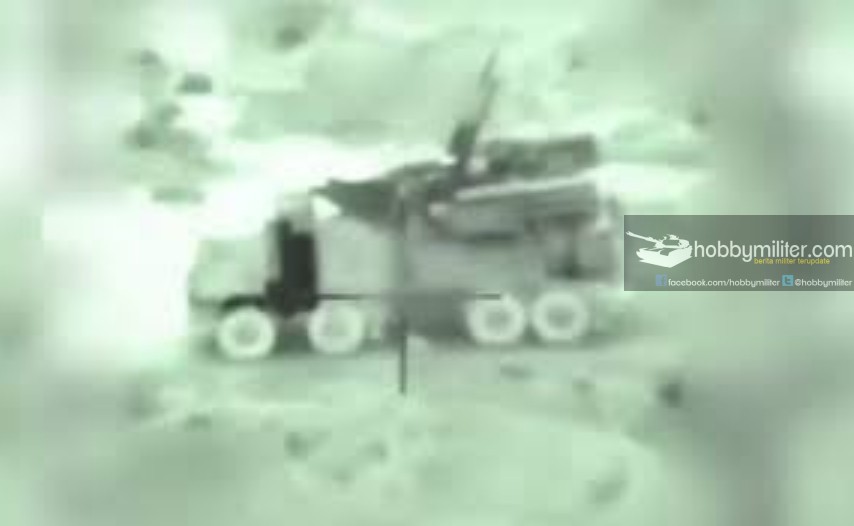
As an act of self-defense, Syrian short-range anti-aircraft missiles began launching upward, their rocket motors leaving trails of fire and smoke in the sky as they salvoed to meet the enemy missiles and bombs. One or two missiles were seen exploding in the sky when they succeeded in hitting their target or were in the vicinity of their target.
Even so, just like more than 200 previous Israeli air strikes on selected targets in Syria, the defensive effort with those short-range missiles was inadequate. The 3 places that became targets were still destroyed by Israeli fire.
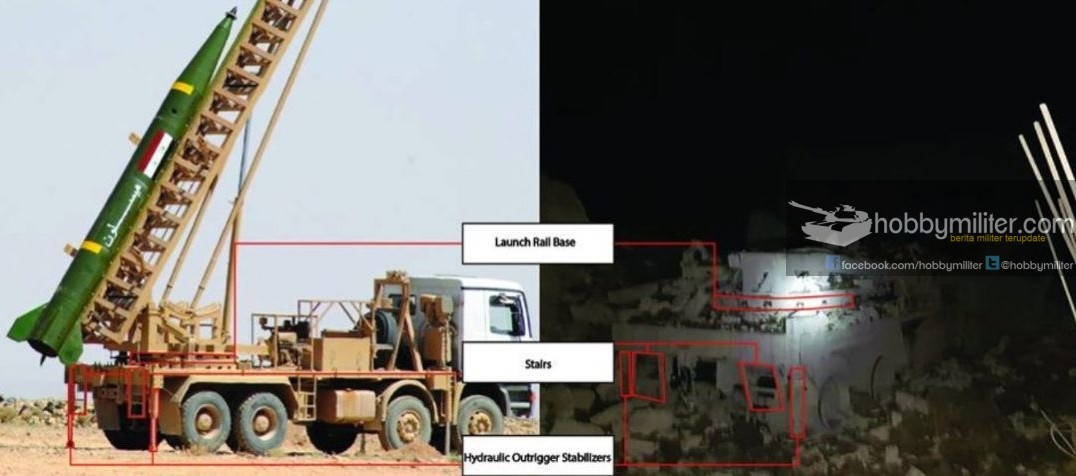
The first target was a training base known by the nickname ‘Academy’. The second target was reported to be a storage facility for surface-to-surface missiles located near the Masyaf National Hospital. The pro-Assad media Al-Masdar provided image evidence of an M-600 Tishereen ballistic missile launcher vehicle destroyed as a result of the attack.
The M-600 Tishereen missile is a missile licensed and made by Syria based on the Iranian Fateh-110 short-range ballistic missile. Missiles of this type have repeatedly been used by Iran to strike targets in Syria and Iraq since 2017.
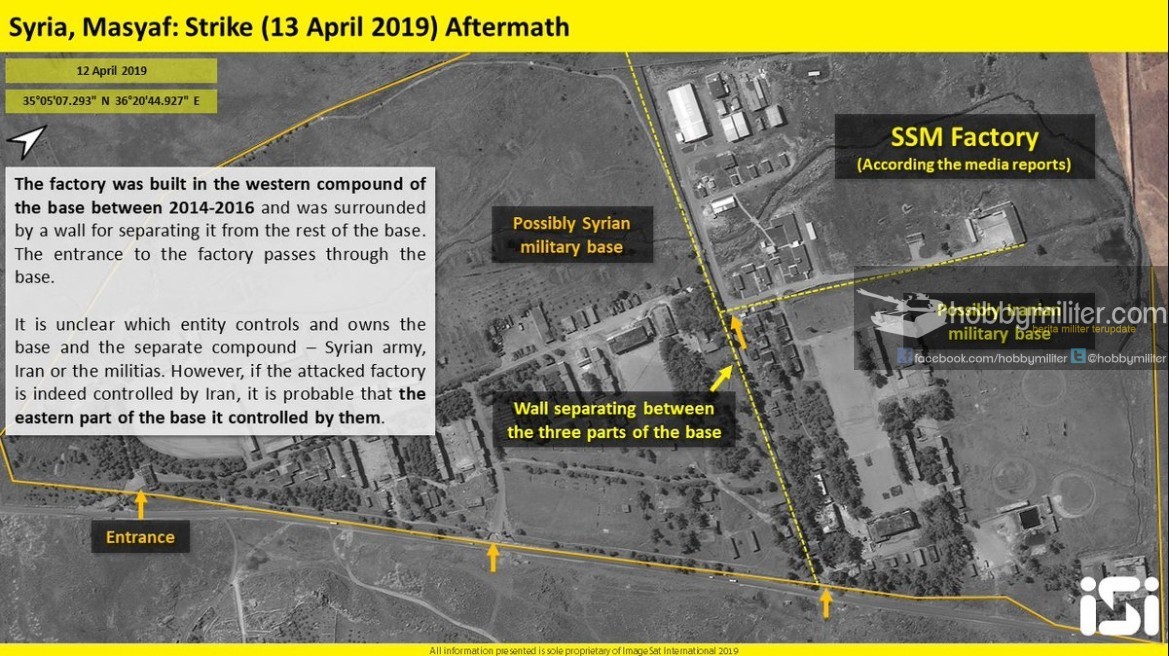
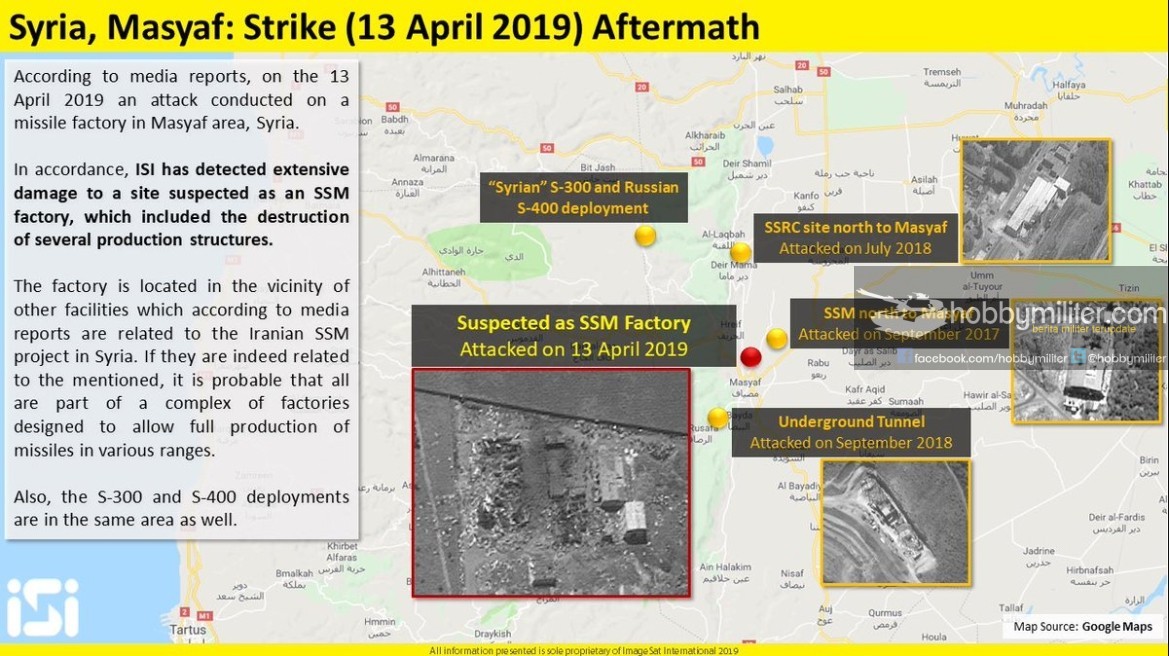
The third and most difficult target was the missile assembly and manufacturing facility belonging to the Syrian Scientific Studies and Research Center (Syrian Scientific Studies and Research Center – SCSRC) near Masyaf, Syria.
This agency is the agency responsible for conducting research, development and also the purchase of missile technology and chemical weapons for the Syrian military. In a satellite photo, it can be seen that this tightly guarded facility is also equipped with accommodation for researchers and soldiers from Syria and Iran.
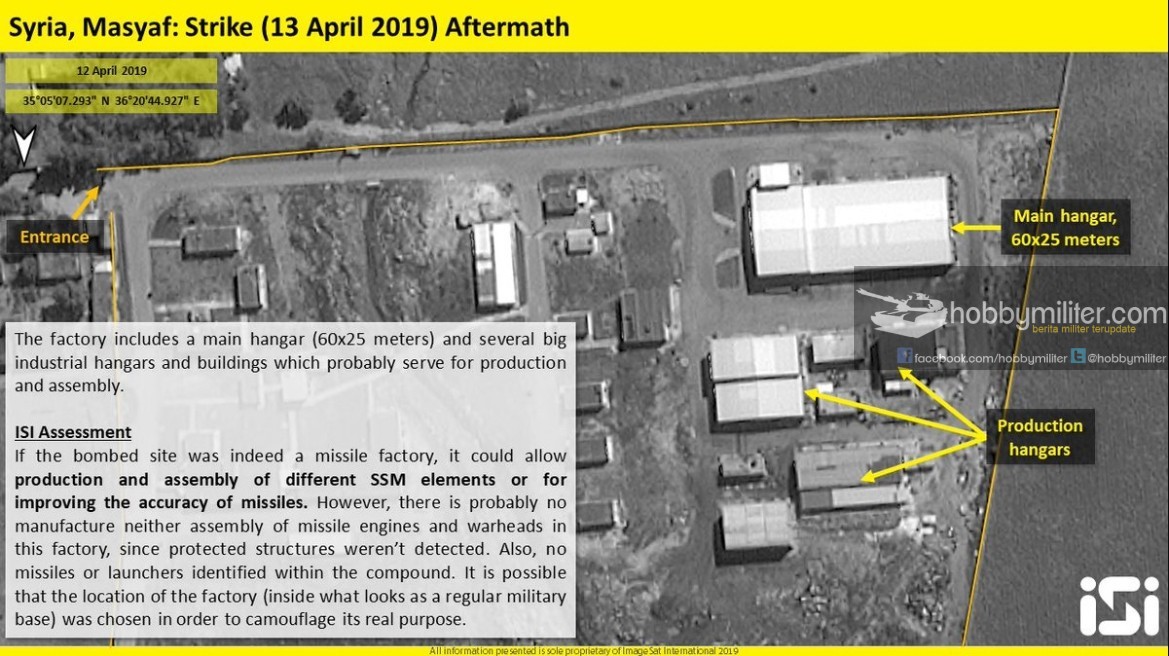
Satellite photos before and after the Israeli military action showed that two-thirds of the buildings were destroyed and burned after being pounded by missiles and bombs launched by Israeli fighter aircraft from Lebanese airspace. The Syrian government stated that six of its personnel were wounded as a result of the attack. However, independent observers said at least seventeen to twenty-one people were wounded, and there may have been foreign personnel who died as a result of the attack.
What attracts attention is, where was the advanced Russian-made S-300 air defense missile system that was supposed to guard Syrian airspace from Israeli attacks?
On the night of 17 September 2018, Israel attacked Syrian targets in Latakia, Tartus and Homs. As a defensive effort, Syria launched several air defense missiles, one of which unfortunately instead shot down an Ilyushin Il-20 electronic reconnaissance aircraft belonging to the Russian armed forces and caused 15 Russian military personnel to die.
Russia blamed Israel for this incident, saying that Israeli fighter aircraft deliberately placed the Russian Il-20 between the F-16s and the missile locking onto it, causing the S-200 missile launched by Syria to hit the wrong target.
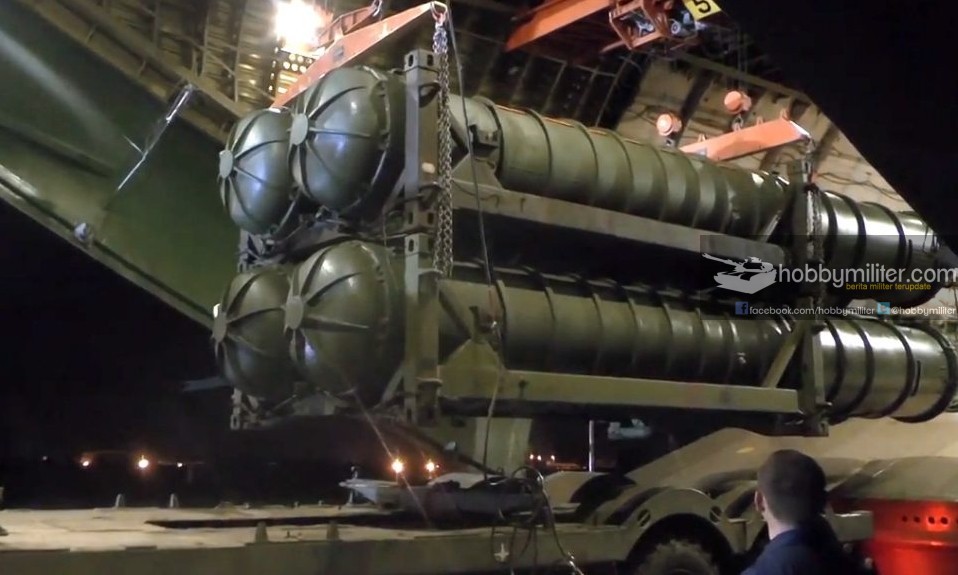
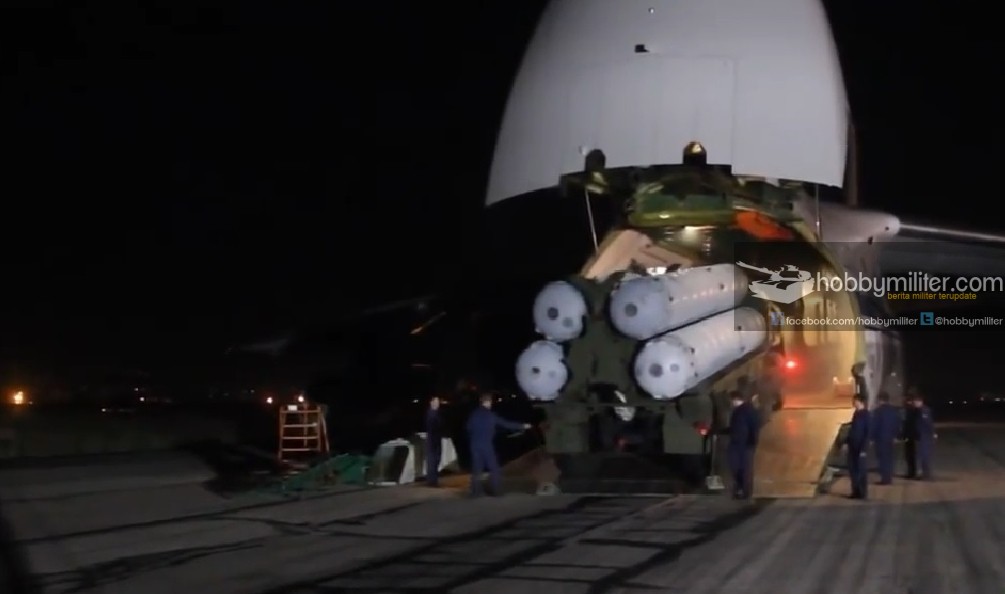
As a result, Russia then decided to provide advanced S-300 PMU-2 air defense missile batteries to strengthen Syria’s air defense. Previously, Syria had actually in 2013 already bought and paid for the S-300 system from Russia. However, because it was pressed by Israel, Russia in 2013 finally cancelled the S-300 sales contract to Syria. Russia said that the S-300 system that would be given to Syria was more advanced than the one Syria ordered in 2013.
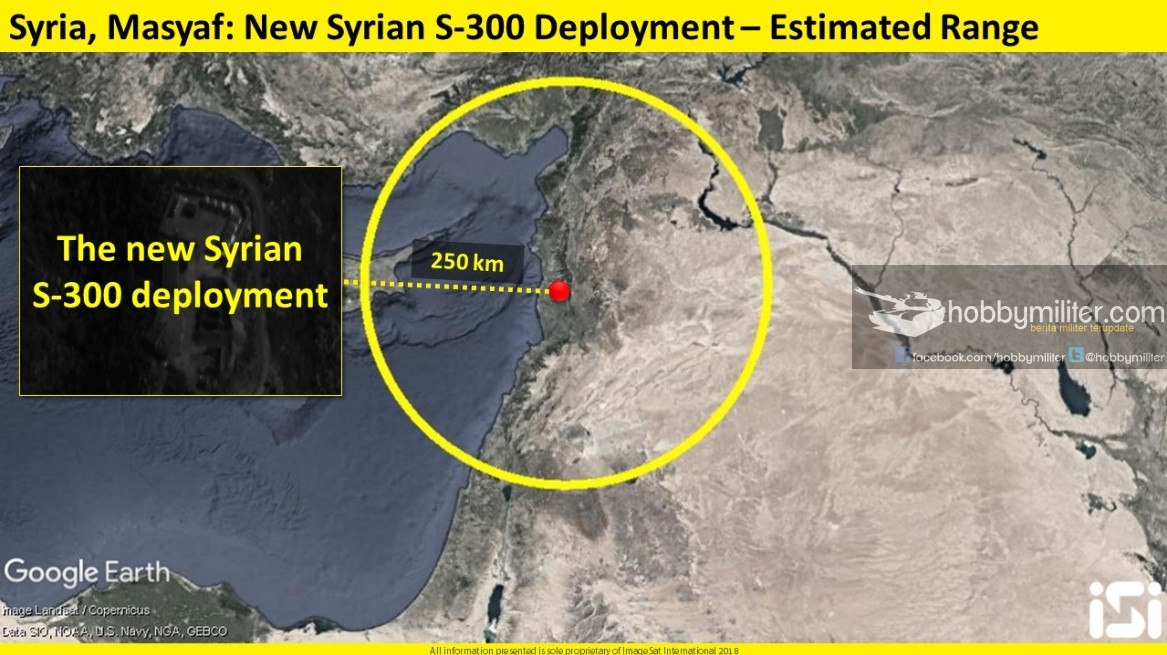
In theory, on paper, the presence of this missile in the inventory of the Syrian armed forces could change the situation. Equipped with the 48N6 missile, Syria’s S-300 system can shoot down aircraft and missiles located 200 kilometers from its position. Its radar is said to be able to reach northern Israel, so that every Israeli attack on Syria can easily be monitored and countered. Indonesian netizens even boasted that as soon as Israeli fighter aircraft take off from an air base, they can immediately be shot down by the S-300.
Israel was also suspected to no longer dare to act recklessly after the S-300 came to Syria. Russia also kept its promise. From early October 2018 to mid-October 2018, Russia began sending parts of the S-300 by air cargo. After they were complete, Syrian personnel were then trained starting in October 2018 to use this new system.
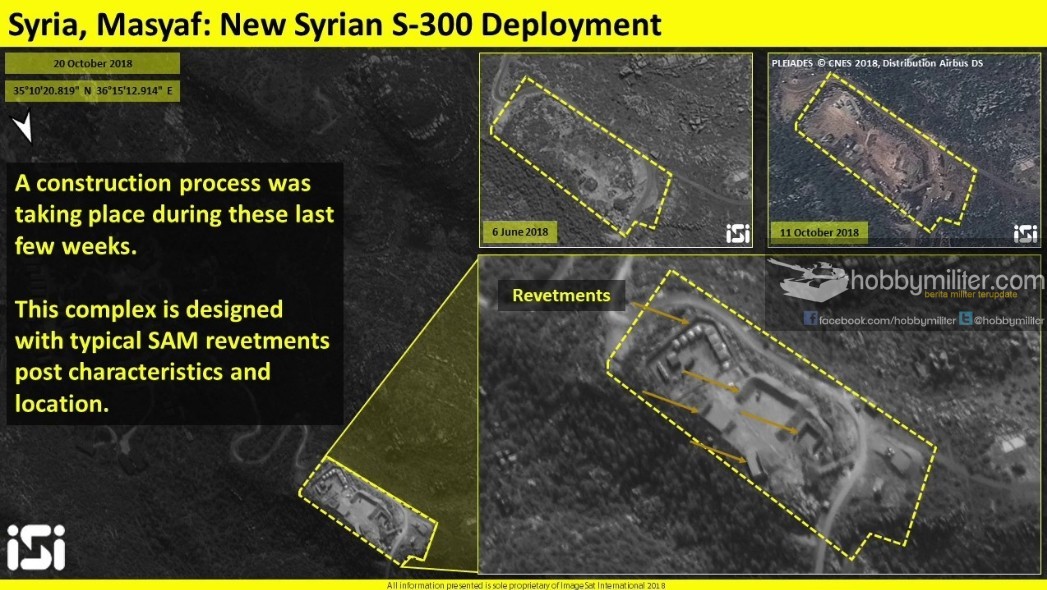
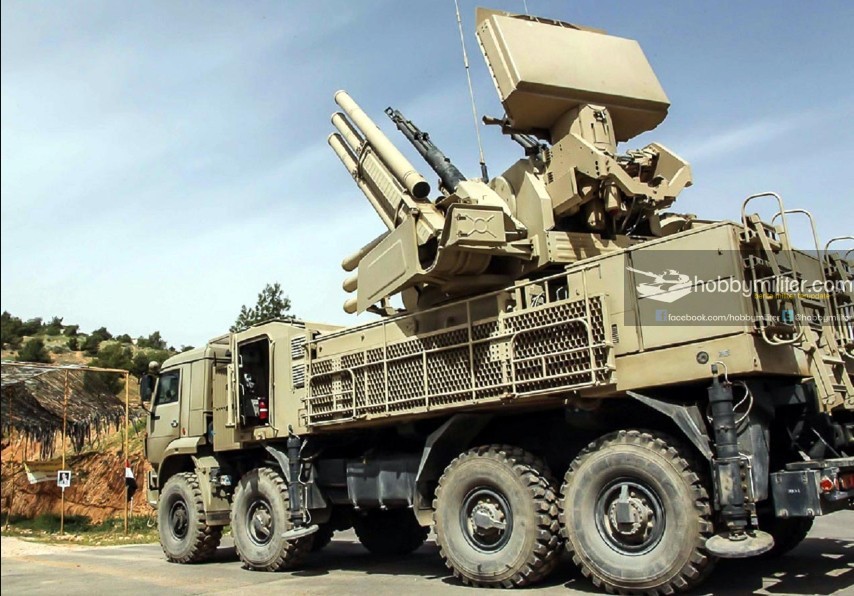
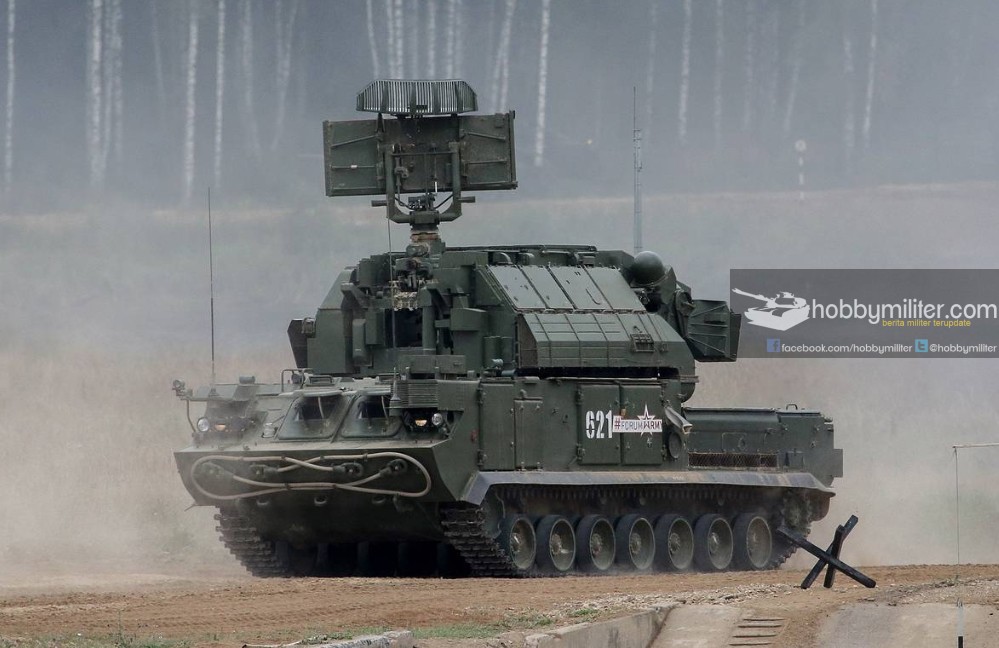
Satellite photos in February 2019 showed that three S-300 batteries around Masyaf were already in operational condition. However, even so, in the incident of the Israeli attack on Syria on 13 April 2019, Syria’s S-300 air defense missile system instead stayed silent, not moving at all. The defensive effort against the Israeli air strike was carried out by the Russian-made short-range air defense missile systems Pantsir and Tor-M1.
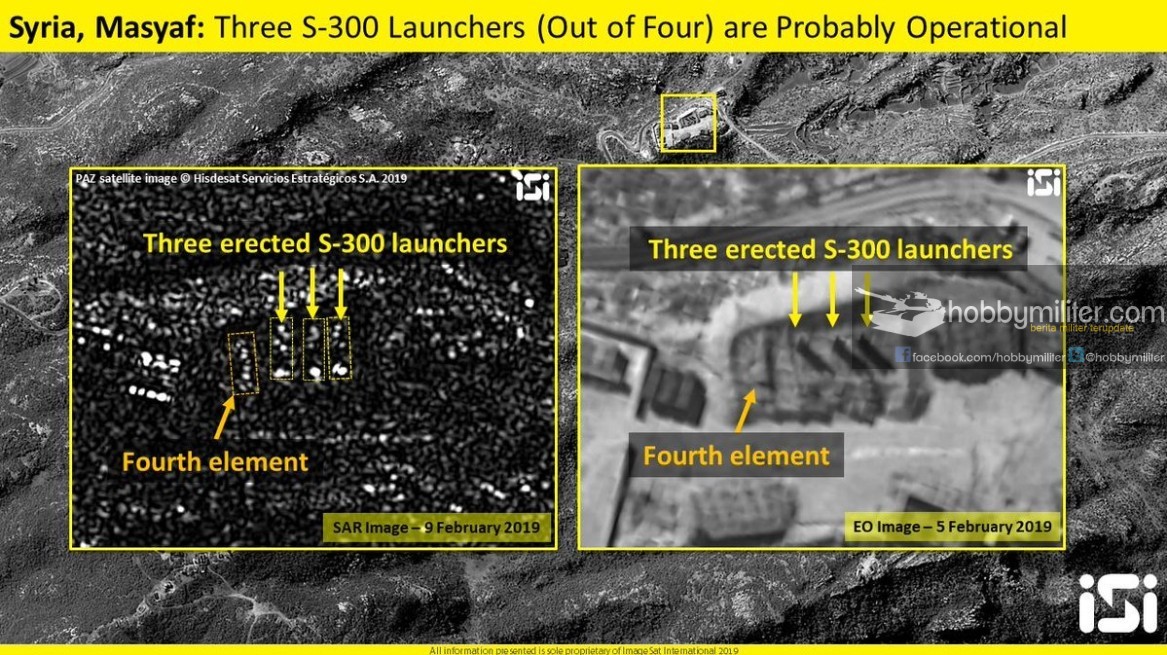
The Syrian Government, through its News Agency, stated that the S-300 batteries were not yet operationally ready because the training of the personnel who would crew them had not been completed.
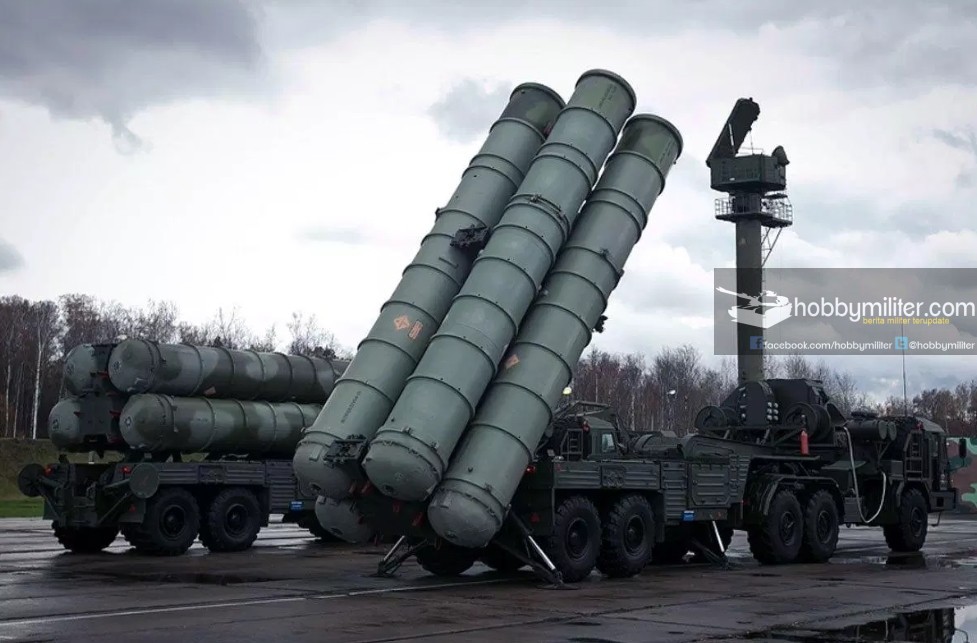
This became a question for many countries. Is the S-300 that difficult to learn and operate? Because in fact the S-300 system was completely delivered to Syria in October 2018 and crew training also began in October 2018.
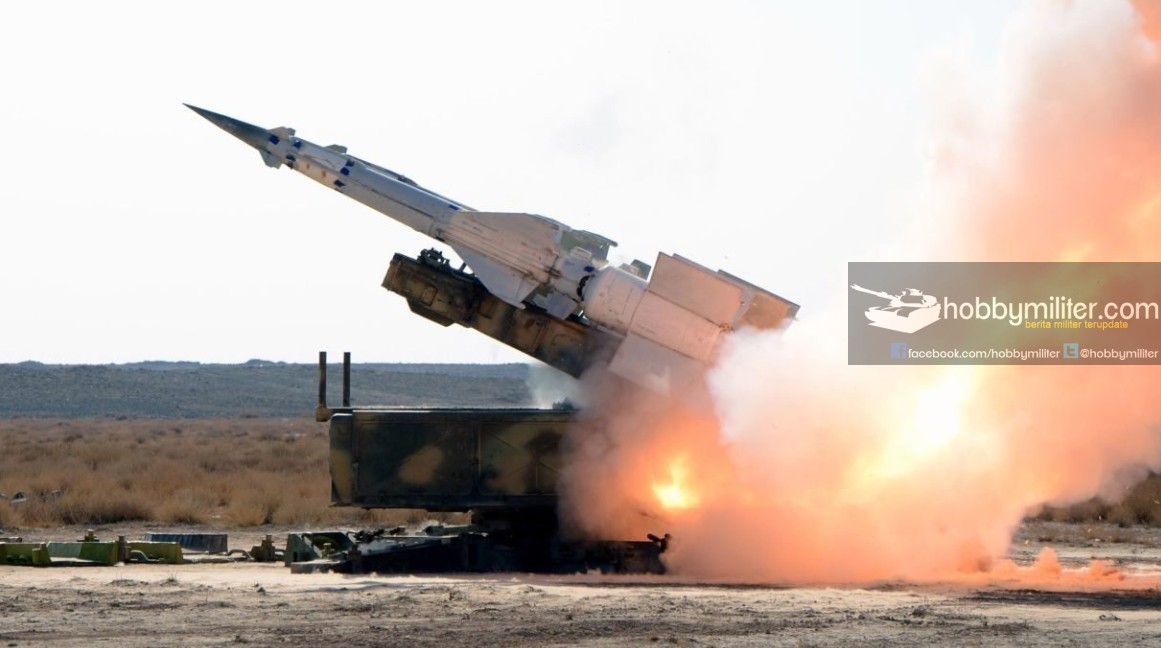
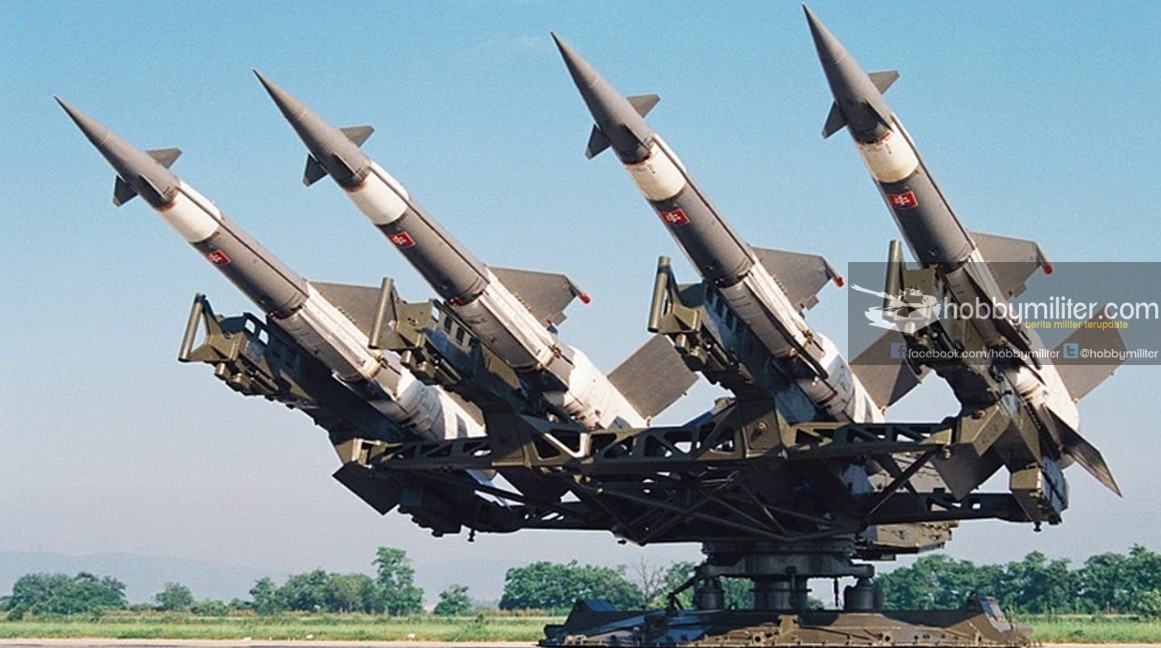
However, in April 2019, 5 months after the S-300 was delivered and training began, the S-300 crew training was still not finished and the S-300 was still not operationally ready 5 months after being delivered. Even though Syrian crews were previously already fluent with Russian-made air defense missile systems. Starting from the SA-2, Pechora, S-200, Tor-M1 and up to the Pantsir.
If Syrian personnel who are already fluent with Russian technology need more than 5 months to train to operate this S-300 anti-aircraft missile system, what about a country that has never (or has long not) used Russian-made air defense missile systems, for example, say, Indonesia?
What about a country carrying out a crash program purchase because the country is in a critical state, for example like what we did in Trikora in the past? A system that cannot be used immediately is of course useless in a critical state like that.
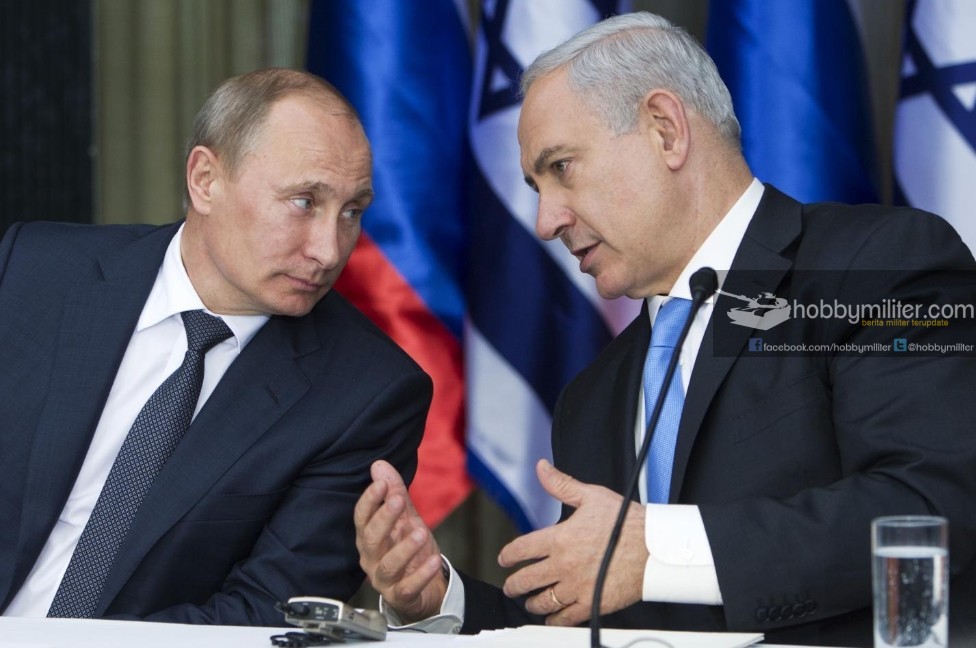
Even so, the silence of the S-300 could also be because of the success of the persuasion diplomacy of Israeli Prime Minister Benjamin Netanyahu toward Russian President Vladimir Putin. At an impromptu meeting after the Il-20 shooting-down incident, Putin and Netanyahu agreed on a special security measure that obliges Israel to notify Russia 15 minutes before every time it is about to carry out an air strike on Syrian territory.
Under the agreement between the two before the Il-20 shooting-down incident, Israel was only obliged to notify every attack it carried out to Russia without a specific time limit. Which Israel then interpreted by notifying Russia precisely at the moment the attack occurred. Something Russia protested because it did not have time to ensure the safety of its assets when the air strike took place.
The fact that Syria’s S-300 did nothing on the night of the Israeli air strike shows that the use of Syria’s S-300 anti-aircraft missile system requires the approval of its seller, Russia. Russia apparently is reluctant for its S-300 system to be used to shoot down Israeli fighter aircraft.
However, if it is true that the use of a self-defense weapon such as the S-300 requires Russia’s approval, then Russia is absolutely no different from the United States. Perhaps even worse.
The United States has long been known for prohibiting the use of its weapons for actions outside efforts to defend itself against foreign attacks. Included in this is the use of US-made defense equipment to overcome domestic rebellion in several cases. But, all this time the United States has never prohibited the use of its weapons against foreign attacks in the framework of defending itself.
So, is the S-300 indeed difficult to learn and operate, or is Russia meddling in the use of defense equipment that Syria has already bought, judging from the silence of the S-300 last April 2019? What do you think?