



 In 1966 RPKAD changed its name to the Army Special Forces Center (Puspassus AD) and Battalion 1 Parako became Group 1 Parako of the Indonesian Army. A year later (1967) leadership was handed over to its successor, Lt. Col. Inf. Soekoso, as the 3rd Commander of Group 1 Kopassus. Under this third leadership, Kopassus changed its name to the Komando Pasukan Sandi Yudha (Kopasandha).
Meanwhile Group 1 Parako, based on the Army Chief of Staff Decree No. DAF 54-50-1969 dated 30-8-1969, became Group 1 Kopassandha, and the Dhuaja of Group 1 Kopassandha, namely “EKA WASTU BALADIKA“, meaning the first home of chosen (reliable) soldiers, was also inaugurated, under the Army Chief of Staff Decree No. Kep-148/IV/1970 dated 6-4-1970. The creator of that Dhuaja was Koptu Suyanto Caper of RPKAD Class of 1960.
In 1969 a change of leadership took place from Lt. Col. Inf. Soekoso to Lt. Col. Inf. H. H. Djaja Diningrat (a ’45 Exponent) as the 4th Commander. During the tenure of the 4th Commander, joint exercises began, both within the Army Kopassandha and with other services, which were later tested in their use in East Timor.
Starting in 1974, leadership of Group 1 Kopassandha was entrusted to the next generation, to Lt. Col. Inf. Samsudin, a 1960 graduate of Atekad. In his time, word spread vaguely that the Kopassandha unit would be removed from the Army’s organizational structure because some thought its role could be replaced by ordinary infantry that had been upgraded (New Style Infantry).
In 1975 the Commander of Group 1 Kopassandha handed over his post to Lt. Col. Inf. Soegito as the 6th Commander. The upheaval in East Timor (Portuguese) over joining the Republic of Indonesia was a test for the Kopassandha unit, whether its presence was still needed or not.
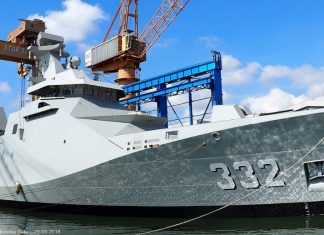


 based in Serang, Banten, and its role in protecting the people of Indonesia.)