

Indonesian Navy Buildup in the New Order Era – HobbyMiliter.com – In the eyes of most netizens, the buildup of naval strength in the Old Order era was a very glorious era. How could it not be, at that time we brought in quite a lot of warships from various countries. Just mention 2 new frigates and 2 new corvettes from Italy. A number of torpedo fast boats and minehunting vessels from West Germany.
Coastal Patrol Ships and Landing Ship Tanks that were planned as the main assault force for landing troops in Irian, from the United States. Landing Ship Tanks and a Submarine Tender from Japan. 2 second-hand Whiskey submarines from Poland. A tanker from England.
And most notably, rows of light cruisers, destroyers, frigates, minesweepers, Whiskey class submarines, and Komar class missile fast boats from the Soviet Union. Of course, just like now, and as is common in financial transactions between countries, all of it was bought with debt.
The large naval fleet strength was procured in preparation for the possibility of a war occurring in the Trikora campaign to liberate West Irian from Dutch control.
Of course, for most netizens, the star of that fleet was KRI Irian 201. KRI Irian is often said to be the largest combatant ship owned by the Republic of Indonesia. This ship, which was bought second-hand, originally was part of the fleet of the Soviet Navy.
Its original name was Ordzhonikidze, of the Sverdlov class. This ship is indeed big, its length is 210 meters. Its weapons are 12 guns of 152 mm in 4 turrets. Plus 12 guns of 100 mm in 6 turrets. For its air defense, this ship still relied on 32 guns of 37 mm. That armament was further supplemented by 10 torpedo launcher tubes of the typical Soviet 533 mm.
But unfortunately, this ship, which was intended as a deterrent weapon against the Dutch fleet in the Trikora campaign, arrived completely too late. As a result of diplomacy, the Netherlands and Indonesia agreed that West Irian would be handed over to a special UN body named UNTEA in accordance with the proposal of the American diplomat Ellsworth Bunker, which would then hand it over to Indonesia.
And Indonesia was obliged to hold a referendum, who would Irian side with? And in the referendum that was held, Irian sided with Indonesia. The New York Agreement that ended the dispute between Indonesia and the Netherlands over West Irian had already been signed on 15 August 1962. Meanwhile, this ship, KRI Irian 201, was only handed over from the Soviet Navy to the Indonesian Navy on 24 January 1963.
During the Second World War and also for some time afterward, the bigger-is-better doctrine indeed applied in the world of maritime warfare. Large-caliber gun weapons, on large-sized ships, such as those that equipped KRI Irian, could reach a considerable distance and cause damage to the armor layer of an opponent’s ship. But everything changed in the 1960s period with the introduction of anti-ship missile weapons.
The lesson received by Israel from Egypt when its main combatant ship, the Destroyer INS Eilat, was sunk by an Egyptian anti-ship missile on 21 October 1967, became proof that large-caliber weapons aboard a ship could be considered obsolete. The Destroyer INS Eilat, whose weight was nearly 2,000 tons, was sunk by a missile launched from a ship whose weight was only around 60 tons.
This Old Order era is often considered the golden age of the Indonesian Navy, while in the New Order many consider it to lean more toward the Army and to stepchild the buildup of naval strength, even minimizing the defense equipment of the Navy so that the Indonesian Navy fleet in the New Order era is termed by kids of the present day as tin cans. Is that really so?
After the Old Order collapsed and was replaced by the New Order, the supply of spare parts from the Soviet Union did stop for a while. The Soviet Union withdrew from Indonesia for a time, first because of Indonesia’s turn from the Jakarta-Moscow axis to Jakarta-Peking (the name for Beijing at that time). In the 1960s, even though both were equally Communist countries, the Soviet Union was in conflict with China, and a brief war even occurred between the two. Second, because the New Order government indeed tended to eliminate communist influences in the early years of its rule.
However, upon the normalization of diplomatic relations at the end of the 1960s and the beginning of the 1970s, the Soviet Union agreed to sell spare parts for military defense equipment, only it would only accept payment in hard cash, alias paid directly in full. Meanwhile, for the defense equipment debts of the Old Order, the New Order government agreed to keep paying them after they were restructured and their payment terms were extended to 30 years from the year 1970.
One consequence of that normalization was that most of the ex-Soviet fleet could still serve in the Indonesian Navy until the 1980s. Until they were replaced by more modern fleets.
After about 10 years of struggling to repair the economic condition of the country by making PELITA 1 and PELITA 2, with an economy that was far stronger than in the 1960s, it was at the end of the 1970s and the beginning of the 1980s that the New Order government began to build its military strength. That was done because the economic foundation was already strong so that it could carry out spending on the military, plus there was a rise in world oil prices in that era.
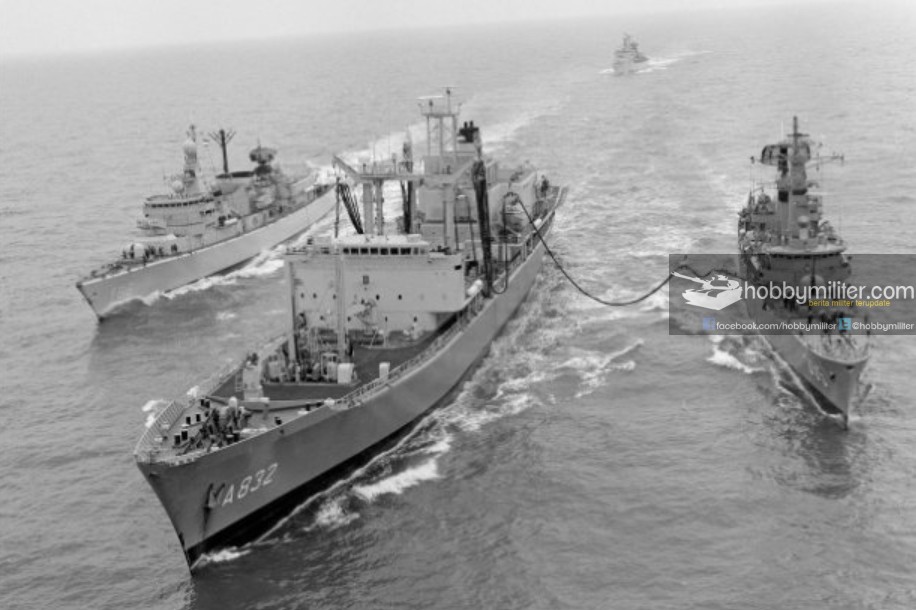
It began with the purchase of Destroyer Escorts (in Indonesia, Perusak Kawal) from the United States. These 4 second-hand US Navy warships were bought by the government to maintain the capability of the Indonesian Navy. In Indonesia these ships were given the names KRI Samadikun 341, KRI Martadinata 342, KRI Mongisidi 343, and KRI Gusti Ngurah Rai 344. These ships also became the mainstay of the Indonesian Navy in military operations in East Timor. KRI Martadinata 342 provided fire support from the sea to support Operation Seroja.
KRI Mongisidi 343 also carried out a show of force in front of the port of Dili while evacuating the Indonesian consulate in Dili. After carrying out a naval blockade operation against Cuba in the 1960s and facing Soviet ships while still owned by the US Navy, in the 1970s and 1980s these ships also carried out naval blockade operations to seal off illicit arms smuggling into East Timor while operating in the Indonesian Navy. These ships were used by the Indonesian Navy until the 2000s.
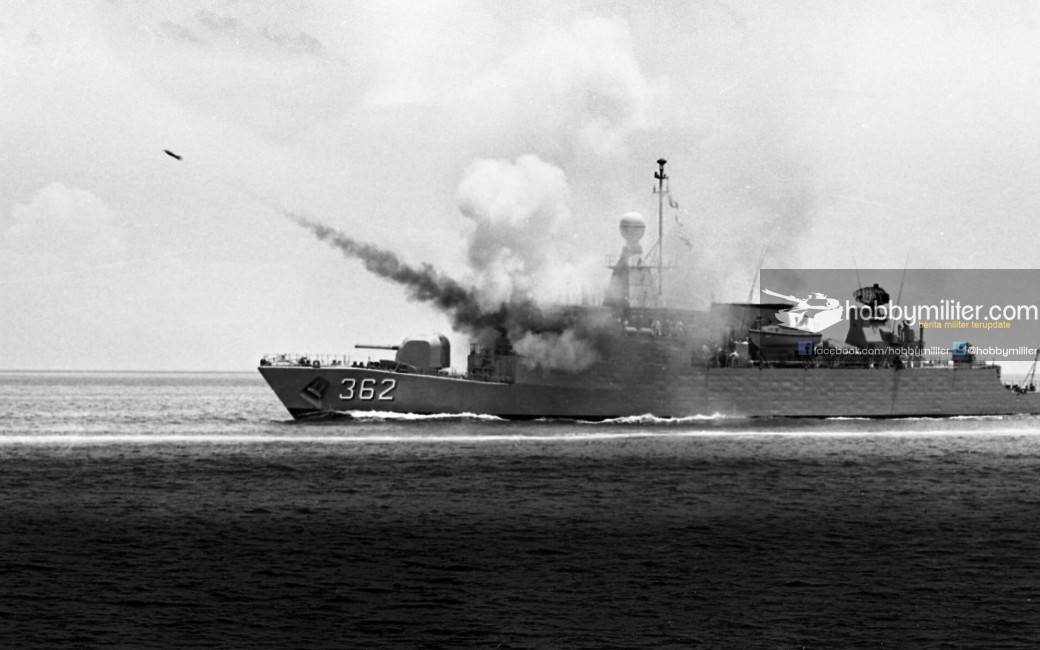
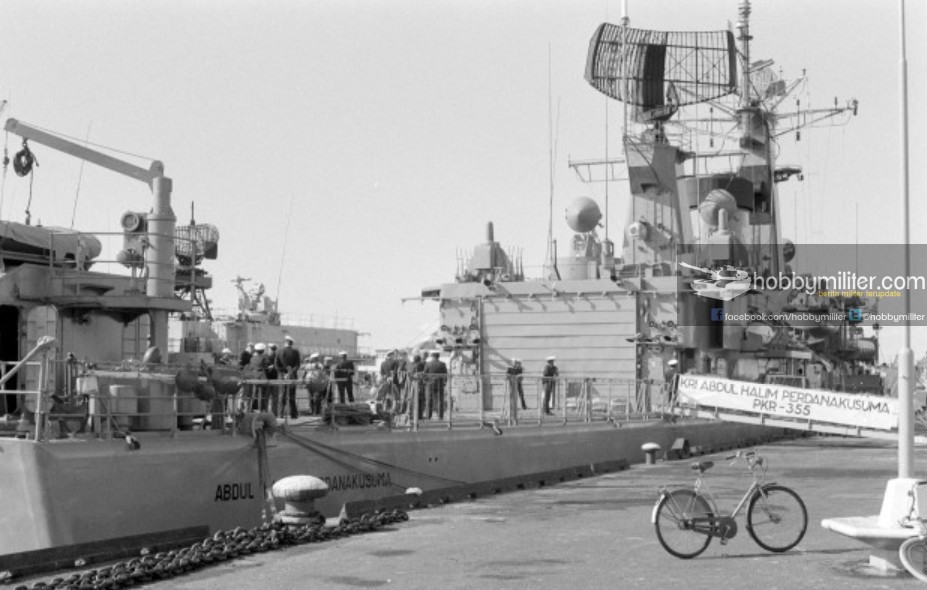
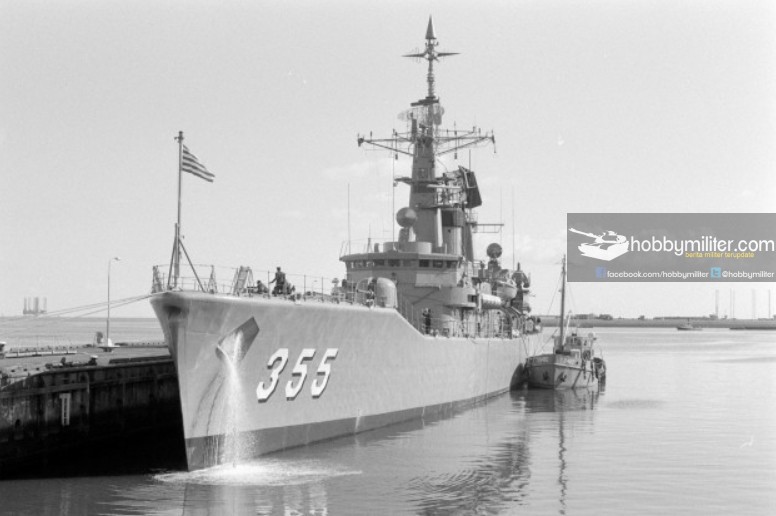
Then the government purchased brand-new corvettes named the Fatahilah class. At the time these corvettes arrived, Indonesia became the only country that possessed corvettes armed with advanced missiles in the region. With Exocet missiles, which in the hands of Argentina later succeeded in sinking the British destroyer HMS Sheffield in the Falklands War and in the hands of Iraq succeeded in crippling the American destroyer USS Stark in the Iran-Iraq War, this ship became a booster of Indonesia’s maritime strength.
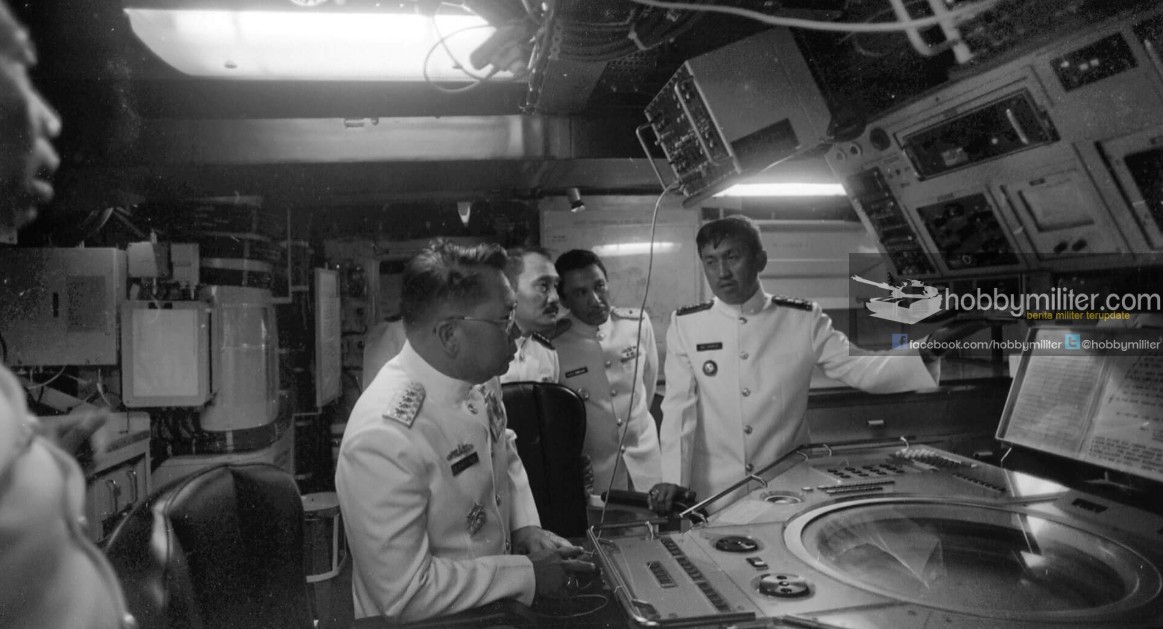
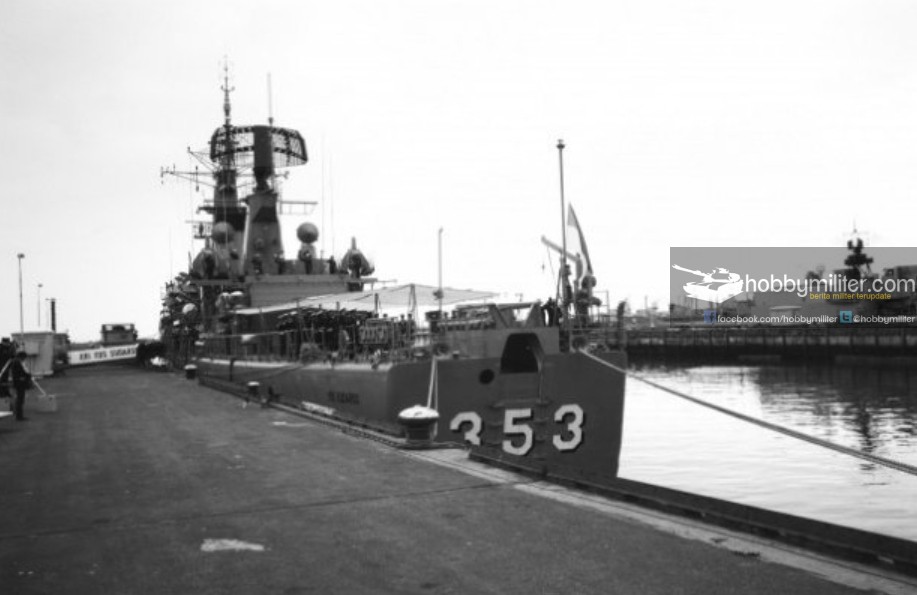
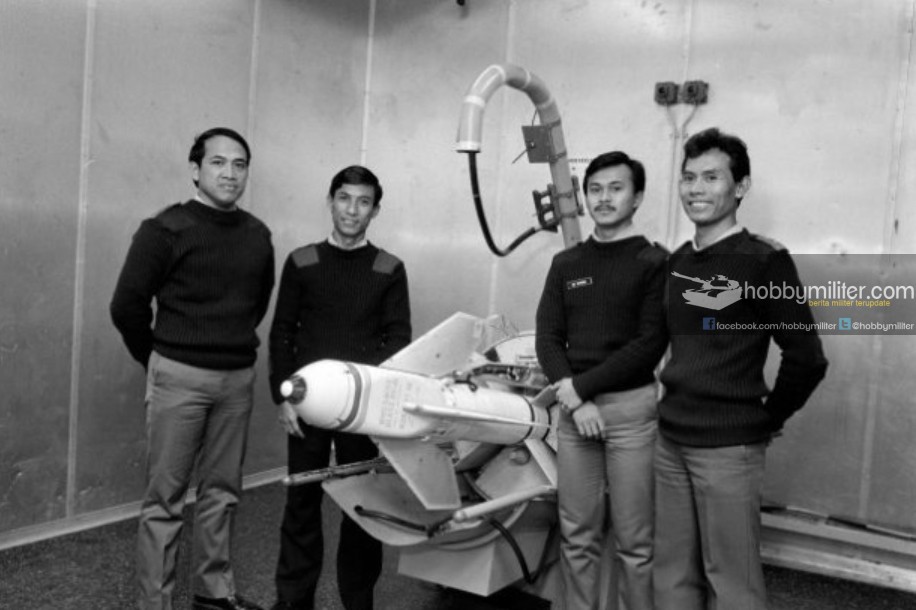
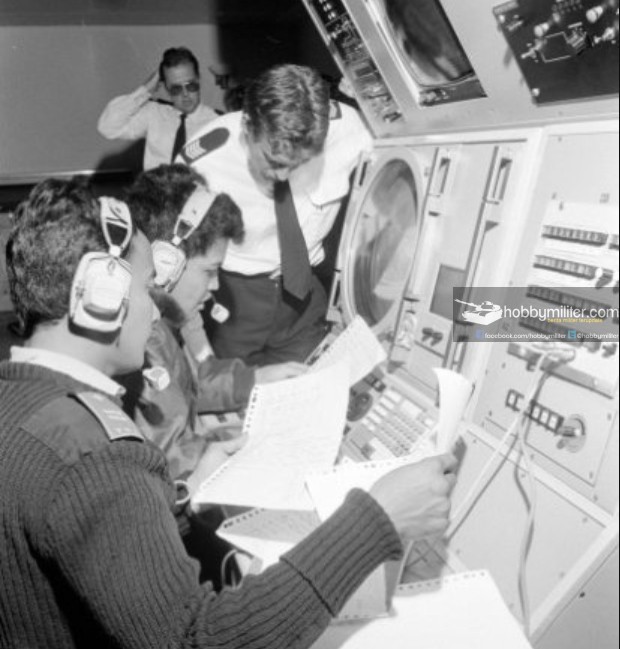
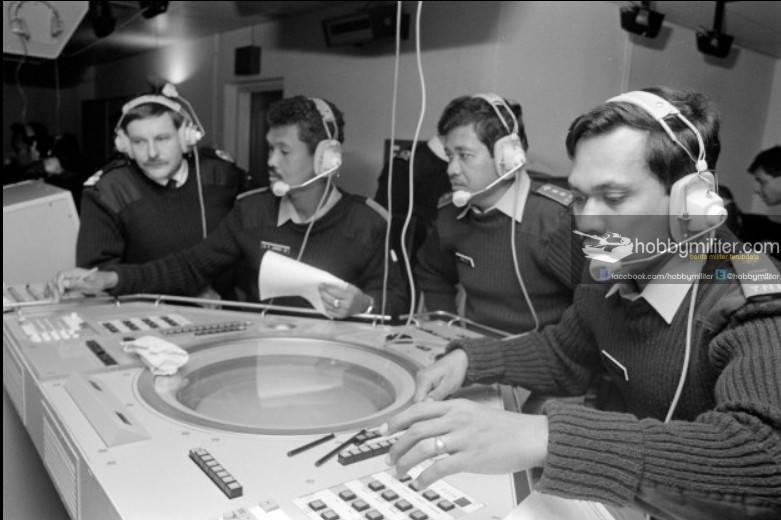
Indonesia bought 3 ships of this type from the Netherlands, namely KRI Fatahilah 361, KRI Malahayati 362, and KRI Nala 363. Together with these ships, a Full Function Simulator was also bought to train their crews. The existence of these ships made Indonesia superior among its neighbors. Malaysia, Thailand, and Singapore themselves at that time still operated gun boats. Whatever the ship, frigate or corvette, its weapon was only a cannon. So it can be said that the Indonesian Navy had already outgunned other navies in the region.
Without waiting long, Indonesia also bought the training frigate KRI Ki Hajar Dewantara from Yugoslavia. Once again, even though this ship held the title of a training ship, it was still armed with Exocet missiles.
Then, in succession, came Missile Fast Boats from South Korea. The ship that in its home country was named Patrol Ship Killer was also armed with Exocet missiles. Indonesia bought 4 units of these KCR. Compared with the KCR 60M of the present day, which only speeds at 28 knots under certain conditions, the KCR bought by the New Order government was more superior. Powered by a combination of diesel engines and gas turbines, this Missile Fast Boat truly had the capability spelled out by the word “Fast” in the abbreviation KCR.
KRI Mandau could speed up to 41 knots, far, far faster than KRI Sampari 628, which is only 28 knots. From the side of striking weapons, these KCR, which were given the names KRI Mandau 621, KRI Rencong 622, KRI Badik 623, and KRI Keris 624, were also more superior. 4 Exocet missiles were their main striking weapon. Compare that with the plan for 2 C705 missiles to equip the KCR 60M.
The addition of 3 missile corvettes, 1 guided missile destroyer escort, and 4 missile fast boats of course multiplied the firepower of the Indonesian Navy many times over that of the navies of neighboring countries. For example, in another universe, if KRI Irian had to face KRI Mandau alone, it can be ascertained that this New Order KRI Mandau would have enough firepower to cripple KRI Irian from a long distance with its Exocets, before KRI Irian was able to return fire with its cannons.
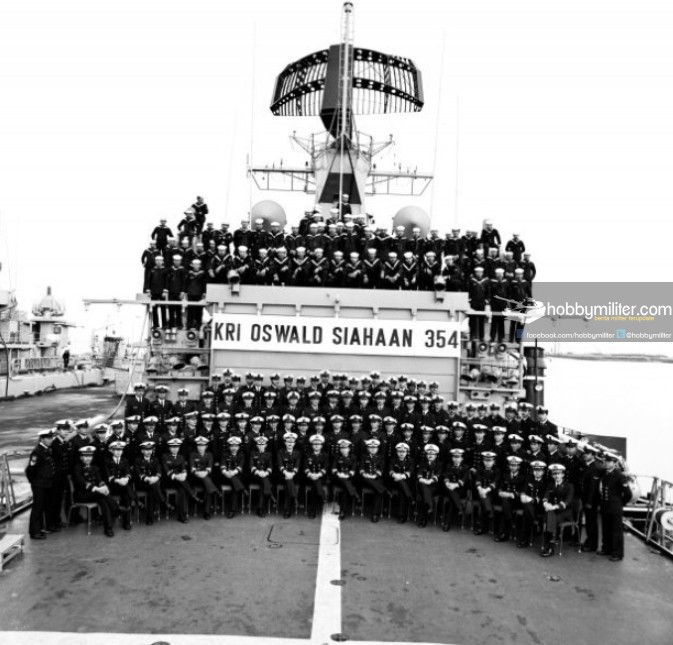
At the end of the 1980s, the New Order government again added to the strength of the Indonesian Navy by bringing in 6 frigates from the Netherlands. These frigates, which were then named the Ahmad Yani Class, were equipped with a main striking weapon in the form of American-made Harpoon missiles. These Harpoon missiles, when still operating, were able to strike the enemy from a distance of more than 120 kilometers.
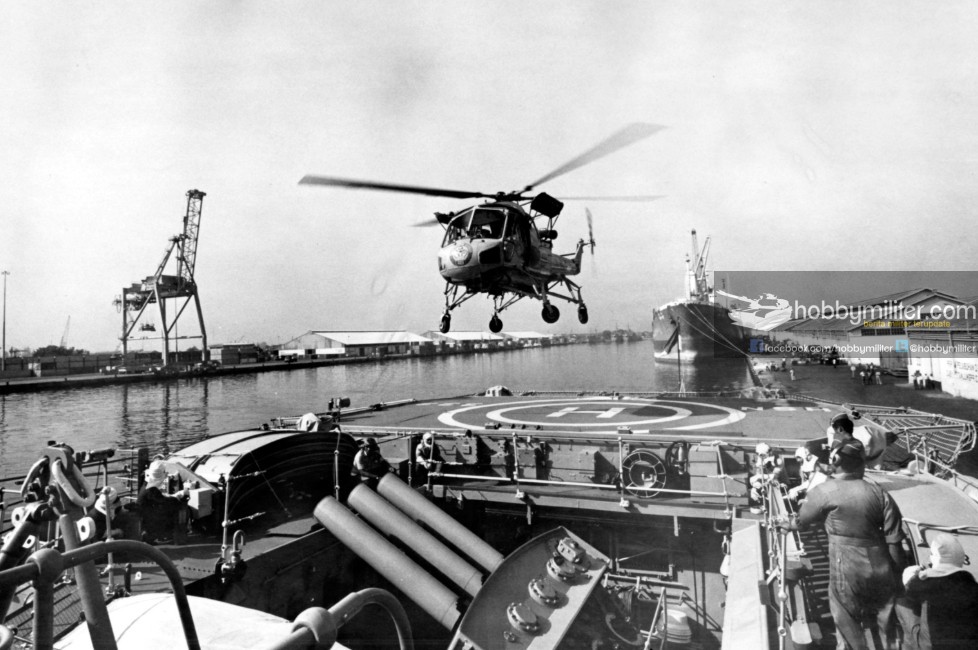
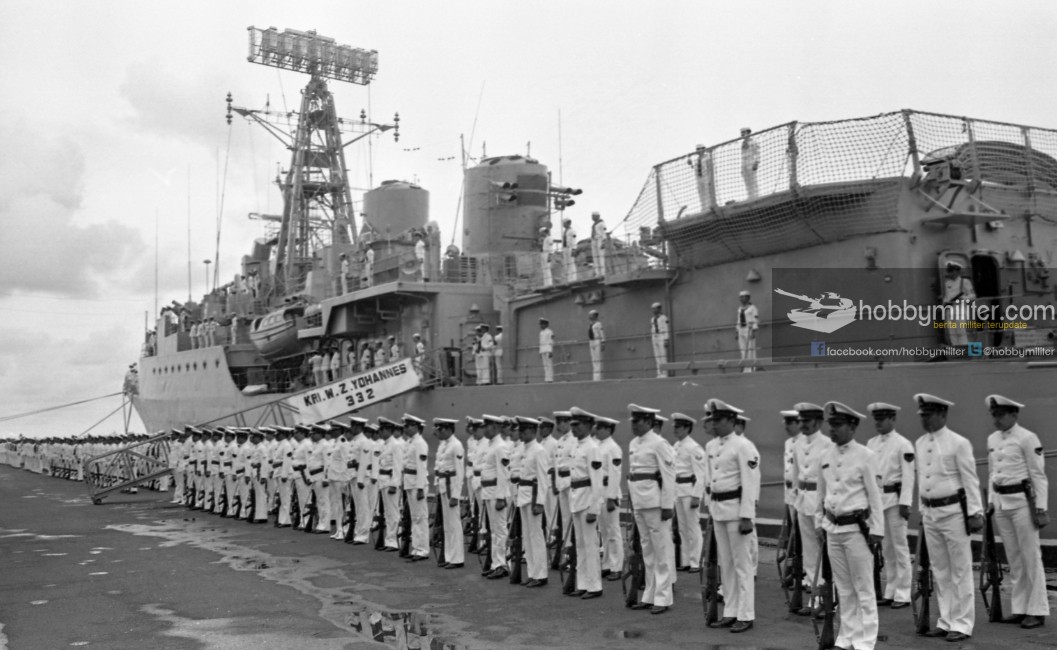
This missile was already battle proven in the hands of Iran, sinking several Iraqi warships in the Iran-Iraq War. Conversely, one Iranian frigate was also sunk by America with Harpoon missiles as well. In addition, the government also still added to the frigate fleet from the Tribal Class. KRI Martha Christina Tiahahu 331, KRI Wilhelmus Zakarias Yohannes 332, and KRI Hasanuddin 333 are the names given to the 3 frigates that were bought complete with Wasp helicopters.
The development of domestically made strength was also attended to with the purchase of a license for the Fast Patrol Boat 57 from Germany, which was then partly made in Indonesia. These ships became Torpedo Fast Boats and Missile Fast Boats with Exocet missile weapons.
In the area of underwater warfare, only Indonesia operated advanced submarine units in the region during that period, in the 1980s period. Indonesia bought U209 class submarines from Germany in the early 1980s, which are still active until now. Malaysia only had submarines in the year 2005 and Singapore only had submarines in 2001.
It can be said that, during the period from the end of the 1970s to the middle of the 1990s, the Indonesian Navy was the strongest maritime force in this region. At the time when the combatant ships of the Indonesian Navy, from KCR, corvettes, to frigates, were already equipped with Exocet and Harpoon, only then did Malaysia chase by equipping its fleet with only 2 missile corvettes.
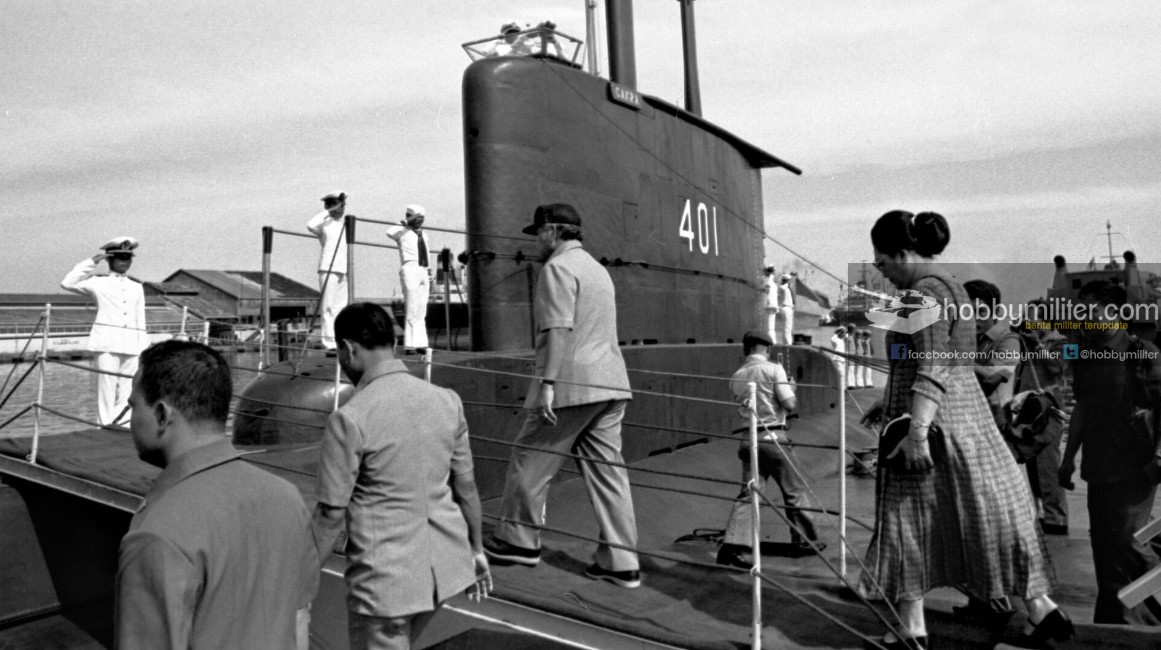
Singapore itself only entered the anti-ship missile era in the mid-1990s period with the entry of the RSS Victory corvette with Harpoon missiles into its fleet. That is not yet added to the fact that only the Indonesian Navy had offensive capability by having 2 Marine troop divisions, complete with LSTs bought from America, Japan, and South Korea. In fact, many gun boats from the Old Order era were still operating, including among them the submarine KRI Pasopati, which was later made into a museum in Surabaya.
So, if it is said that the strength of the Indonesian Navy did not experience an increase in strength in the New Order era and was always under the shadow of the “golden age” of the 1960s, of course that is not true. It can be said that Indonesia’s maritime strength at the end of the 1970s to the beginning of the 1990s was the best period for the development of Indonesian Navy strength.