
China vs Taiwan Military Strength, Who Will Win? – HobbyMiliter.com – The threat of Chinese aggression against Taiwan, which never recedes, inevitably keeps the country that China considers a rebel on constant alert. One of the forms of vigilance and military strength that Taiwan, whose official name is the Republic of China, keeps building is air power. Taiwan’s air strength keeps being built in facing this China vs Taiwan conflict.
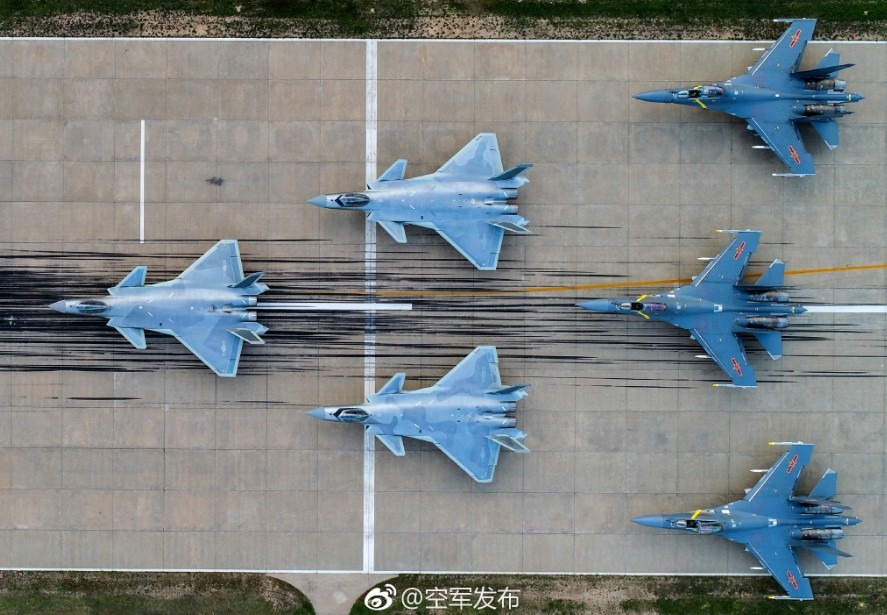
China itself claims Taiwan as one of its rebellious provinces, although in its history, initially it was precisely the victory of the Chinese Communist Party’s rebellion that made the Chinese Nationalist government flee to Taiwan and become the government of Taiwan that exists today.
Beijing currently does not hold back in rolling out its threats. Hundreds of cruise and ballistic missiles have been deployed in Beijing, with their muzzles pointed directly at Taiwan. Apart from several battles that have already occurred, China currently often shows its fangs in the form of military exercises. To fight China in this China vs Taiwan feud, Taiwan is not staying idle either. Besides preparing surface-to-surface missiles aimed at China, Patriot air defense missiles bought from the US have also been deployed.

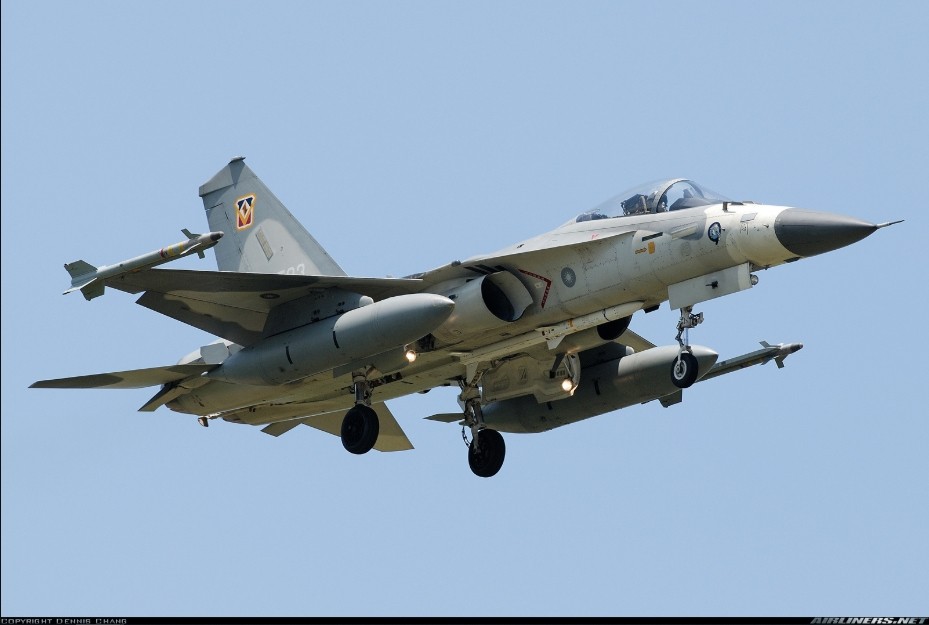
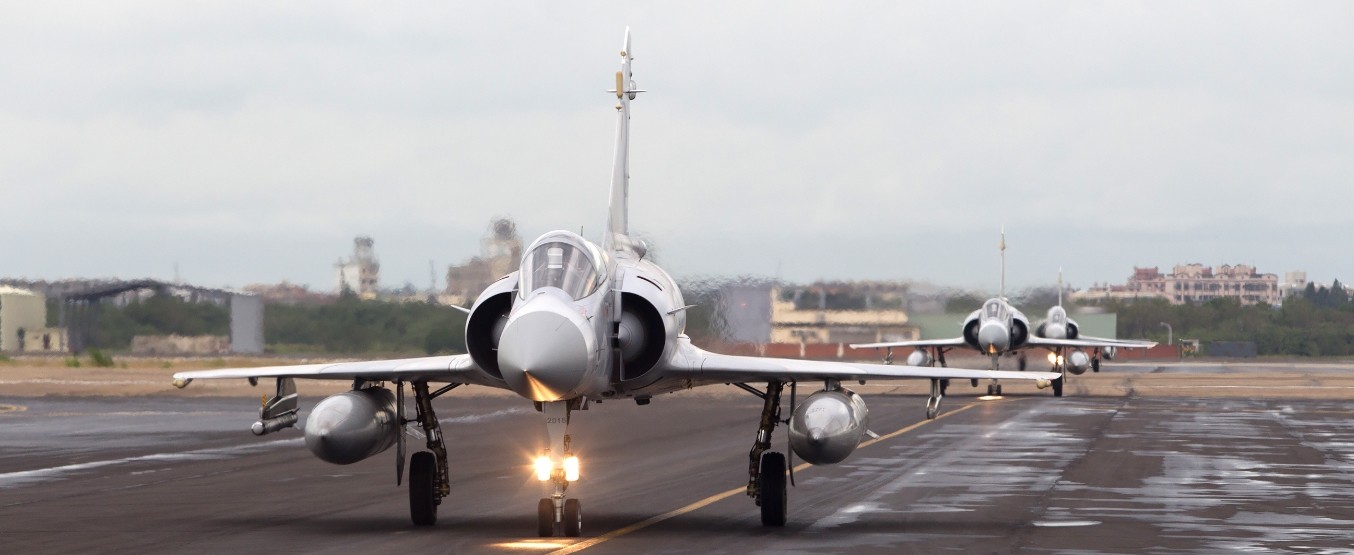
Advanced fighter aircraft already equipped with various types of missiles have also been put on alert. Not only fighter aircraft, most of which were bought from the US, such as 144 F-16s (in the process of being upgraded to F-16V) and 46 Mirage 2000-5s bought from France, but a domestically made aircraft whose capability is hoped to be similar to the F-16 has also been produced by Taiwan, namely the Ching-Kuo IDF (Indigenous Defensive Fighter), besides still maintaining vintage fighters such as the F-5 Tiger II.
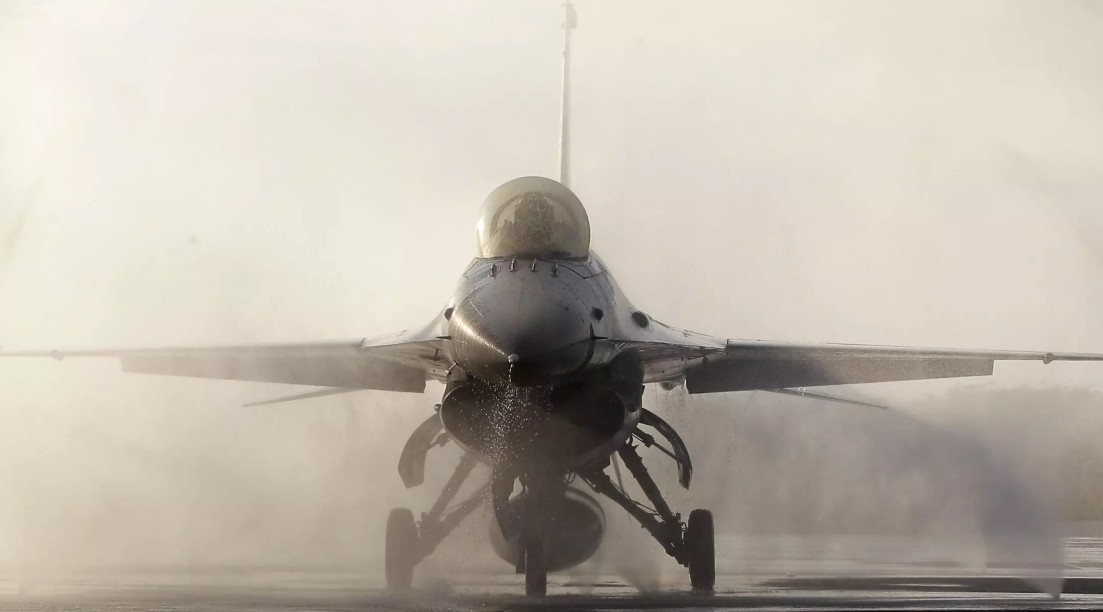
Production of the Ching-Kuo IDF aircraft, which is a derivative of the F-16, was deliberately designed to be capable of high maneuverability and prepared to intercept Chinese aircraft and warships. The total Ching-Kuo production is expected to reach 100++ aircraft and become a complement to the air strength that has been deployed.
The weapons that are the mainstay of the Ching-Kuo IDF are of a quality not far different from the weapons installed on the F-16. Especially for missile type armament, the Ching-Kuo fighter jet is equipped with domestically made air-to-air missiles, the AAM Tien Chien I (Sky Sword I) and AAM Tien Chien II (Sky Sword II).
The Sky Sword I, when compared with the capability of US-made missiles, can be equated with an AA class missile of the Sidewinder class. Meanwhile, the Sky Sword II has a capability in the class of the Sparrow missile. In addition, anti-warship missiles have also been created by Taiwan itself and are one of the mainstay weapons of the Ching-Kuo fighter jet, namely the Hsiung Feng I and II.
The Hsiung Feng II missile, which is the latest generation missile, has a capability even equal to the US-made missile, the Harpoon. The Hsiung Feng II has a length of 4.6 m, a weight of 685 kg and is able to speed as far as 80 km. This missile, driven by a turbojet motor, is equipped with an infrared guide to strike its target. The Hsiung Feng II has been successfully tested since 1996.
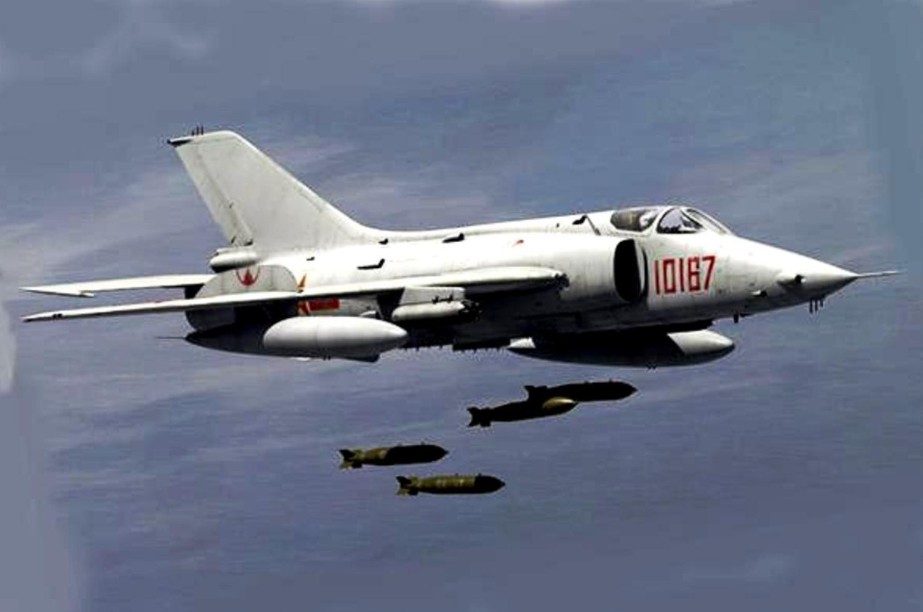
If a war between China and Taiwan really happens, the initial stage of the battle can be ascertained to begin with an onslaught of missiles, fighter aircraft and warships. The rain of ballistic missiles launched from Beijing, in accordance with its defense strategy, will be attempted to be parried by Taiwan using missiles already supplied by the US, the Patriot and iHawk.
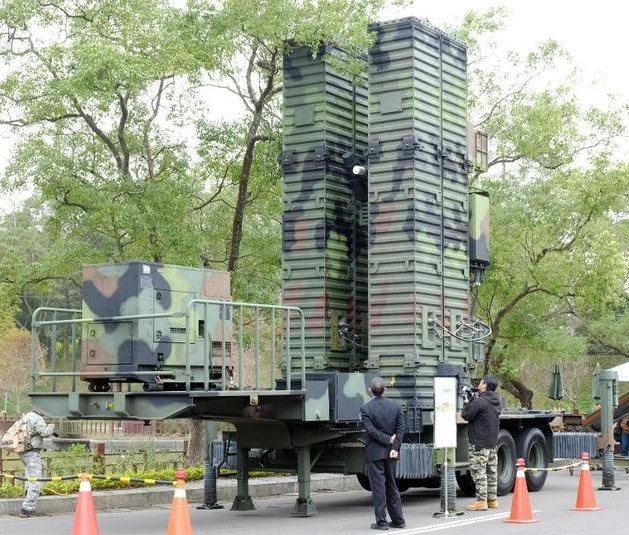
Besides the Patriot interceptor missiles, Taiwan apparently also produces its own missile of a similar type, namely the Tien Kung. This surface-to-air missile, which strikes its target with radar guidance, is able to speed as far as 50 km. Mass production of the Tien Kung began in 1988. This missile, known to be very accurate, weighs 915 kg and is 5.3 m long.
To increase its capability, the Tien Kung II missile, which is a more powerful generation, has also been produced. This missile, weighing 1,115 kg and 8.1 m long, is able to strike a target as far as 80 km. However, there is still another most powerful missile owned by Taiwan, namely the Ching Feng. This missile, which Taiwan tends to keep secret, is able to speed as far as 130 km and its warhead can be fitted with a nuclear weapon, although until now Taiwan still has no nuclear warheads.
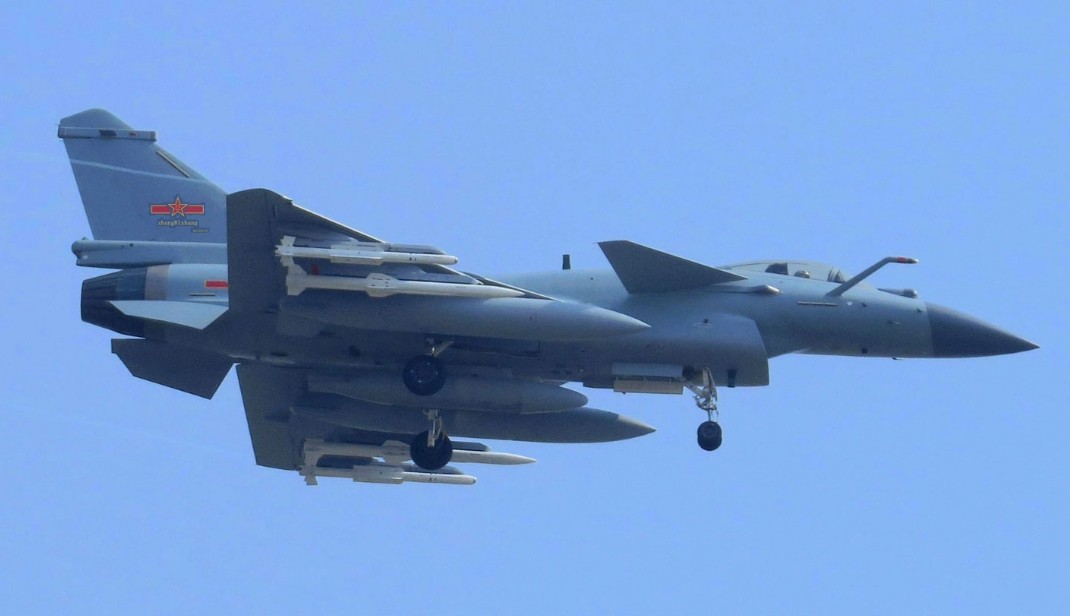
When the capability of the Tien Kung was about to be increased to 1,000 km, the US once exerted pressure on Taiwan because production of the Tien Kung II type missile would make Taiwan more ambitious to produce nuclear weapons, and could cause China to carry out a pre-emptive attack.
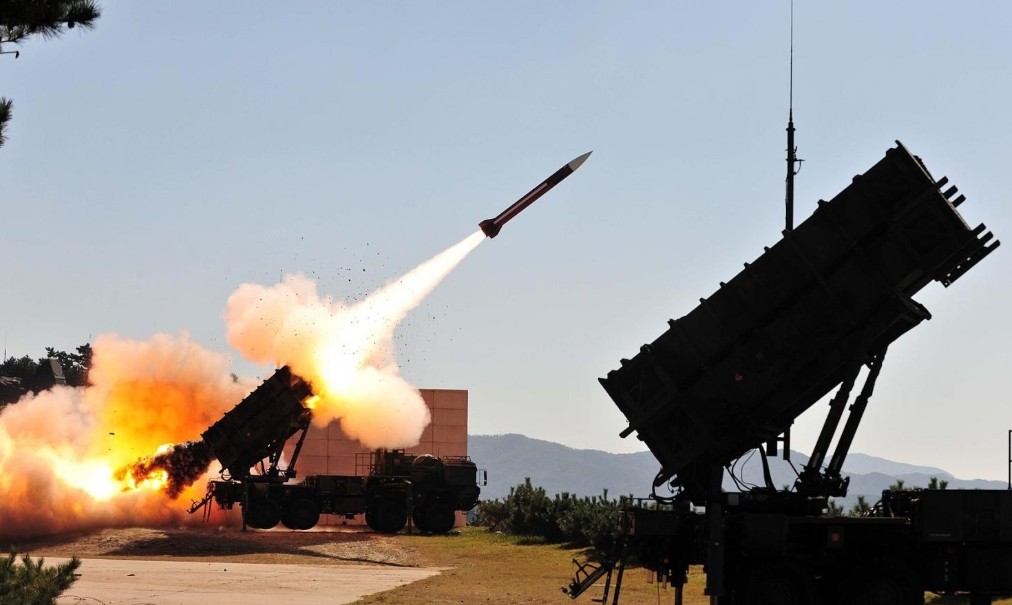
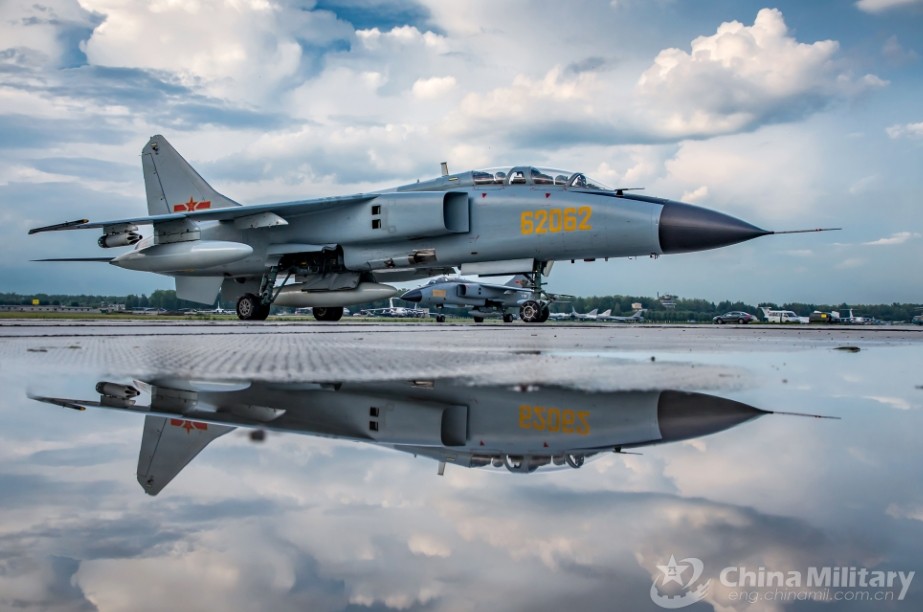
The air war is certain to be more exciting when Chinese fighter aircraft begin entering Taiwan’s airspace. Hundreds of F-16s and Mirage 2000-5s as well as Ching-Kuos owned by Taiwan will become a barrier that is difficult to penetrate. Dog fights between the two countries using the missiles they possess would certainly be very exciting. Judging from the preparations that Taiwan has made, clashes using air power, especially missiles, indeed appear to be the best choice for Taiwan.
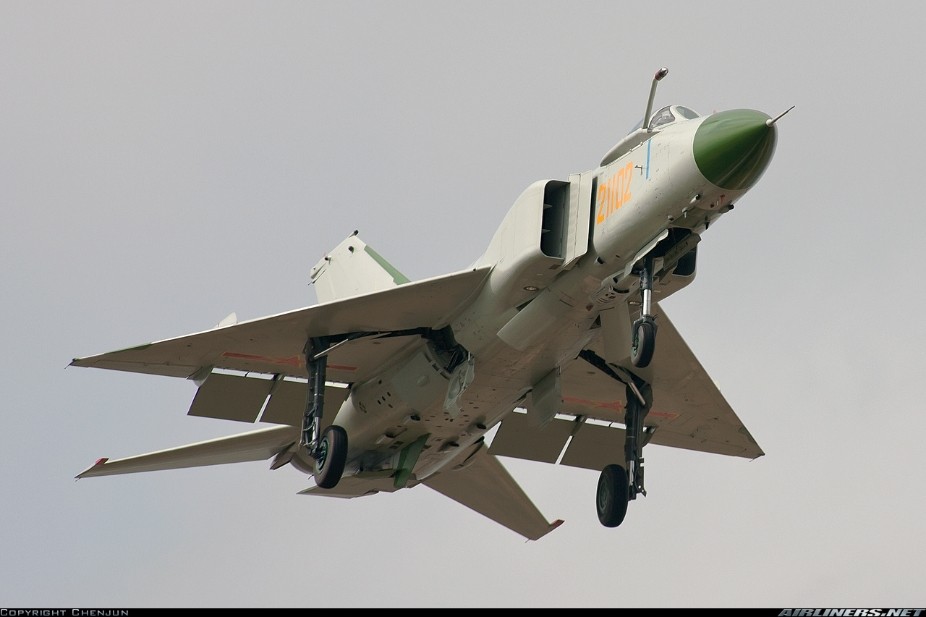
Until now the missile making program is even becoming more and more intense. Apparently Taiwan does not want to be only in a defensive or holding position. Missiles able to reach the Chinese mainland are also produced, namely the Yun Feng and Sky Horse, which are able to speed as far as more than 300 km. However, reportedly, the development of these offensive weapons was shut down under pressure from America.
The conflict involving the two Chinas actually already broke out since after World War II, especially when the Cold War between the Eastern Bloc and the Western Bloc heated up. The Communist rebels succeeded in winning against the Nationalist Chinese government, so the Nationalist Chinese Government had to flee to Taiwan. The Chinese Air Force (People Liberation Army AirForce/PLAAF) and the Taiwan Air Force (China Nationalist Air Force/CNAF) have often been involved in air clashes over the Taiwan Strait, especially when the Quemoy Crisis flared up.
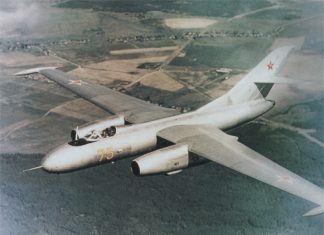
The aircraft involved in the clashes actually better reflected the hostility between the Eastern and Western Blocs. At that time the PLAAF used Russian-made aircraft such as the MiG-15 and MiG-17, while Taiwan used United States aircraft, the F-86 and RF-84.
In the air clash that occurred in 1958, a number of aircraft from both sides were downed or damaged as a result of missile strikes. The missile type that was popular at that time and became the mainstay of the F-86 was the AIM-9B Sidewinder.
Air duels between PLAAF China’s MiG-17s and CNAF Taiwan’s F-86s at the beginning of the battle tended to often be won by CNAF pilots. For example, in the air battle that took place on 29 July 1958, the CNAF claimed to have lost only two F-84Gs but succeeded in downing a number of MiGs. In the battle in the Taiwan Strait, which later involved the US Seventh Fleet, the number of F-86s deployed by Taiwan was 48, while the MiGs deployed by the PLAAF were 68 aircraft.
However, in the conflict that flared up throughout 1958, the fighter aircraft deployed by the two feuding Chinas numbered in the hundreds. Until the war ended, both sides claimed the number of enemy aircraft they had succeeded in downing.
The PLAAF claimed to have succeeded in shooting down 14 CNAF fighter aircraft, while the CNAF claimed success in downing 32 PLAAF fighter aircraft. The CNAF’s advantage is quite reasonable because its pilots were better trained than PLAAF pilots. What is clear is that if that air war were repeated at this time, the dog fights that took place would certainly be very exciting and take many victims, considering the fighter aircraft and weapons used are very advanced.
In this China vs Taiwan conflict, on paper, China’s strength is still superior. However, if it forces itself, China could bleed heavily before finally being able to defeat Taiwan. That is if other players do not enter the arena, considering that America and several other countries have interests in Taiwan.