
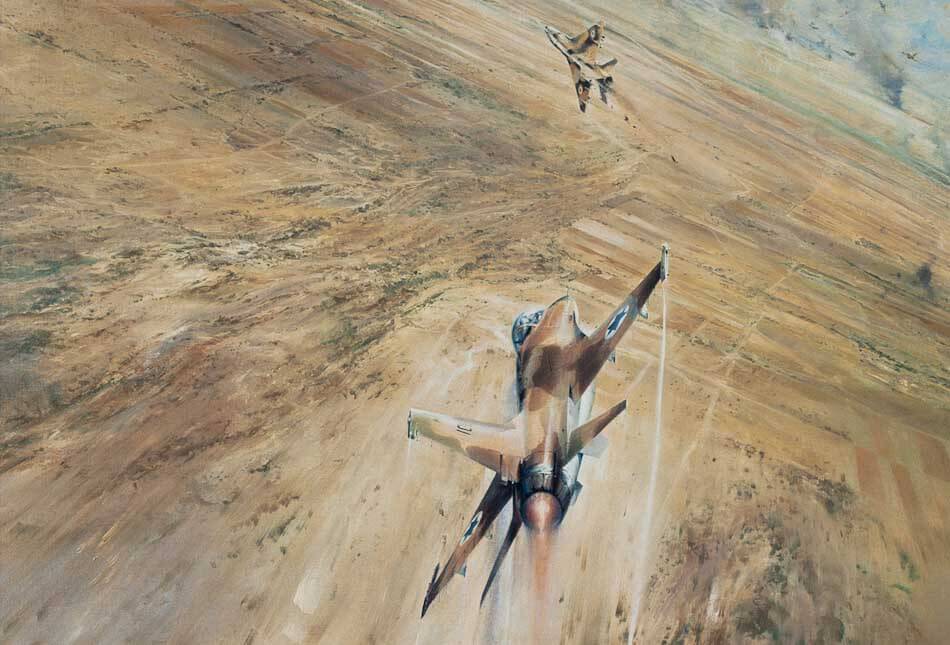
Tel Aviv did not want to delay its invasion any longer. Only a day after its ambassador was injured, on 4 June 1982 at 15.15, they immediately sent several F-4 Phantom and A-4D Skyhawk fighter jets to Beirut, the capital of Lebanon. There, the aircraft immediately fired on Palestinian refugee camps, which were regarded as the homes of the guerrillas and their families.
During that 90-minute attack, the Israeli Air Force met no significant resistance, so it could control Lebanese airspace without difficulty. Elsewhere, they also deployed CH-3 Stallion helicopters to guard the rear of their force and to drop commando units in the Schuf Mountains, to the south-east of Beirut.
The attack certainly did not escape Syria’s attention. Damascus was wary of the possibility that Israel might push through to the rear of its forces in the Bekaa. If that happened, the communications route to Beirut would be cut off. For that reason, Aerospatiale SA-342L Gazelle helicopter combat units were immediately sent to face the Israeli forces trying to enter Schuf. They also deployed their fighter jets to intercept the Israeli armoured units that had begun creeping into the port of Sidon.
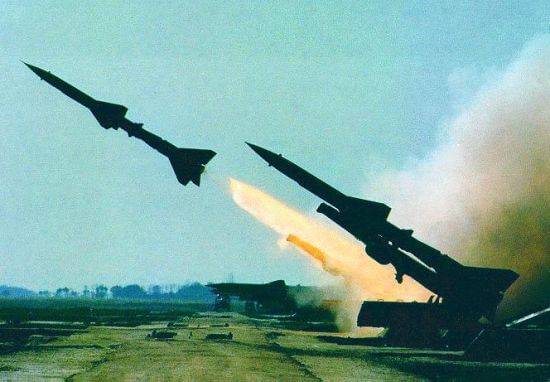
The Israeli Armed Forces were fully aware that Syria had great strength in the Bekaa. There, 19 surface-to-air missile positions were installed, ready to devour Israeli aircraft. For that reason, they did not want to rashly deploy air power if they did not want to lose many casualties. The reason was that the Bekaa Valley could be called a point of no return. Without proper preparation, they would not only lose casualties in the air force, but also in the army.