

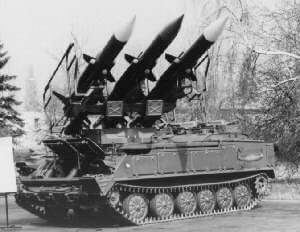
As resistance, Syria had actually launched SA-2s and SA-6s in no small number. Most of them, however, could be fooled by the infrared decoys, chaff and Düppel released by Israeli fighter aircraft. Others flew off out of control as a result of the jamming signals emitted by electronic countermeasure aircraft.
Israel, it seems, is a country that learns fast. This is said because nine years earlier, in the Yom Kippur War, Syria had succeeded in bringing down 89 Israeli aircraft, both as a result of MiG attacks and Syrian surface-to-air missiles.
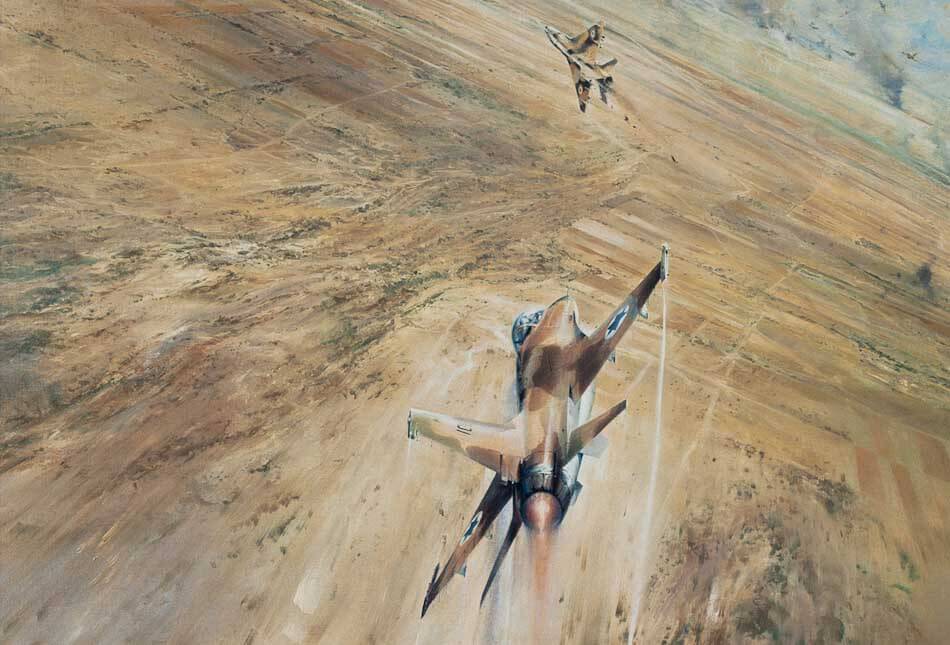
As a result, both the Israeli F-16s and F-5s indeed met no significant obstacle in carrying out their actions. Of the total of 85 MiG-21s and MiG-23s shot down, some fell on the first day (9 June), and others on the second and last day of the air attacks (11 June). Israel did not lose a single fighter aircraft, except for 19 unmanned reconnaissance aircraft, or RPVs, which were deliberately sacrificed in the electronic warfare, as claimed by the Syrian side.
That air attack left the air defence missile network in the Bekaa and Syria’s air power completely paralysed. As a result, the advance of Israeli ground forces into southern Lebanon met no obstacle at all.